Two reasons: - Our biggest program (large transfers) allows families to select a single head of household to receive the funds. Women often handle household spending so are slightly over-represented as the recipient in this program. - We run a few specialty programs that are explicitly targeting women (e.g. this nutrition program or this cancer program)
I really like combining the emotional access to these women's stories with the intellectual facts of the studies - often I only see people focus on the emotional side (and then I am unsure if I should really factually believe it, or it is just cherry-picked anecdotal stuff), or only on the intellectual side and leave out emotions entirely (which just leaves a whole bunch of low-hanging potential motivation go to waste), so combining the two is great!
Donations to GiveDirectly put power in the hands of recipients, 62% of whom are women. On International Women’s Day, hear directly from women and girls in poverty in Malawi about the unique ways that direct cash empowers them:
This impact is more than anecdotal; research finds that cash aid lets women improve their lives in many ways. Below, we break down the evidence by story.
Maternal & infant health
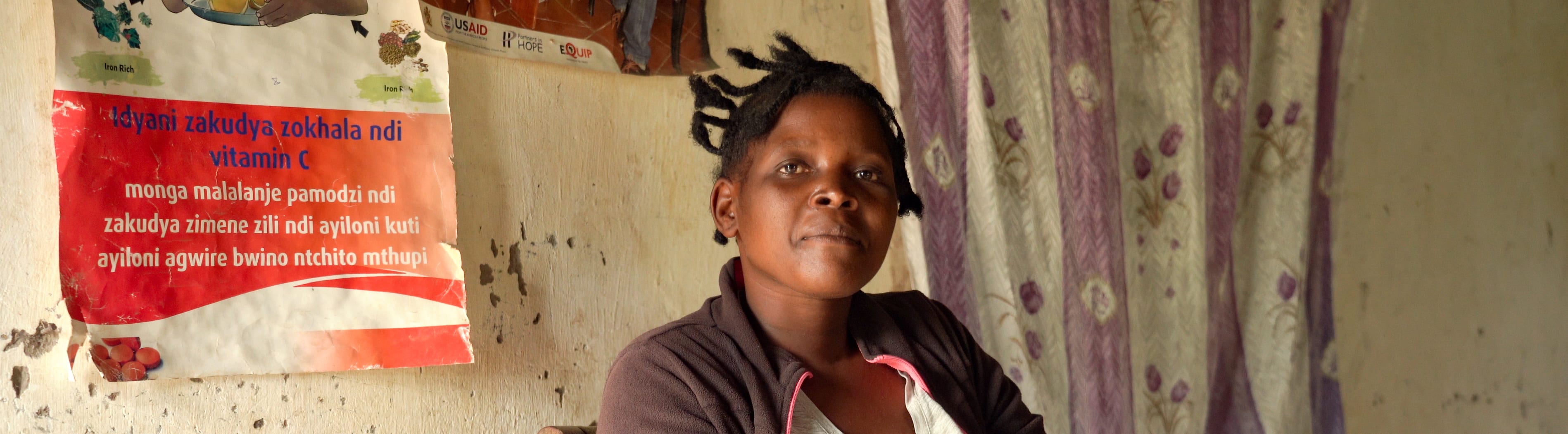
Lenita - “When I was pregnant, I would fall sick [and] could not afford the fare to go to the hospital.”
Improve birth weight and infant mortality[2] – one study found GiveDirectly’s program reduced child mortality by ~70% and improved child growth.[3]
Education & domestic violence
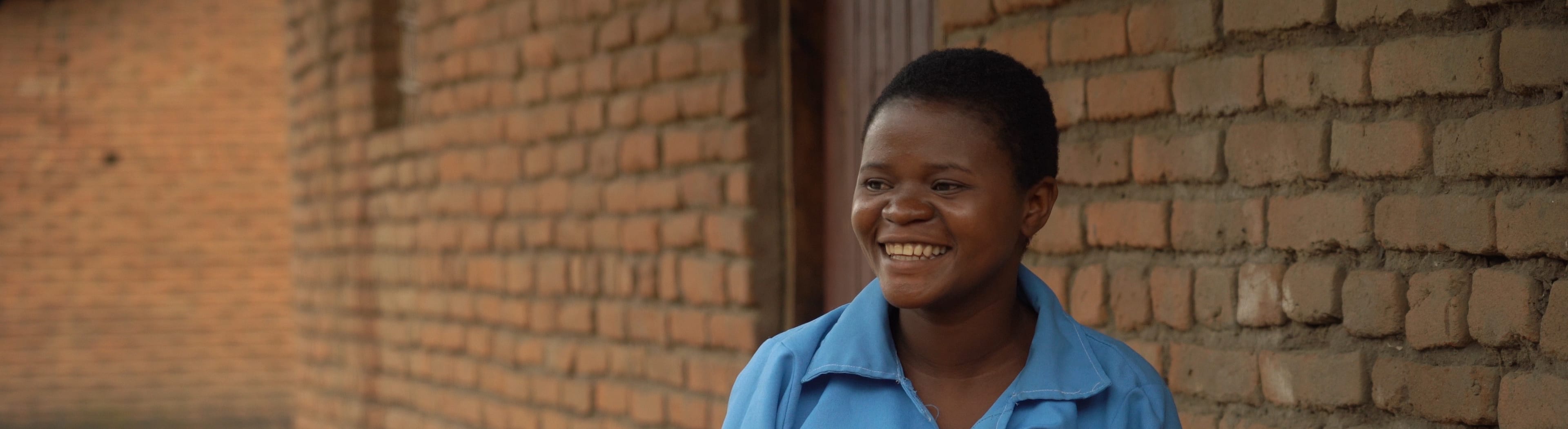
Agatha - “My husband was so abusive... so I left him and went back to try to finish school.”
Studies find that cash can:
Reduce incidents of physical abuse by a male partner of a woman[1] – one study found GiveDirectly’s program reduced physical intimate partner violence.[4]
Beatrice - “My husband and I always argued… about how to spend what little money we had. Now, when we receive the money, we plan together.”
Studies find that cash can:
Increase a woman’s likelihood of being the sole or joint decision-maker.[1]
Entrepreneurship & savings
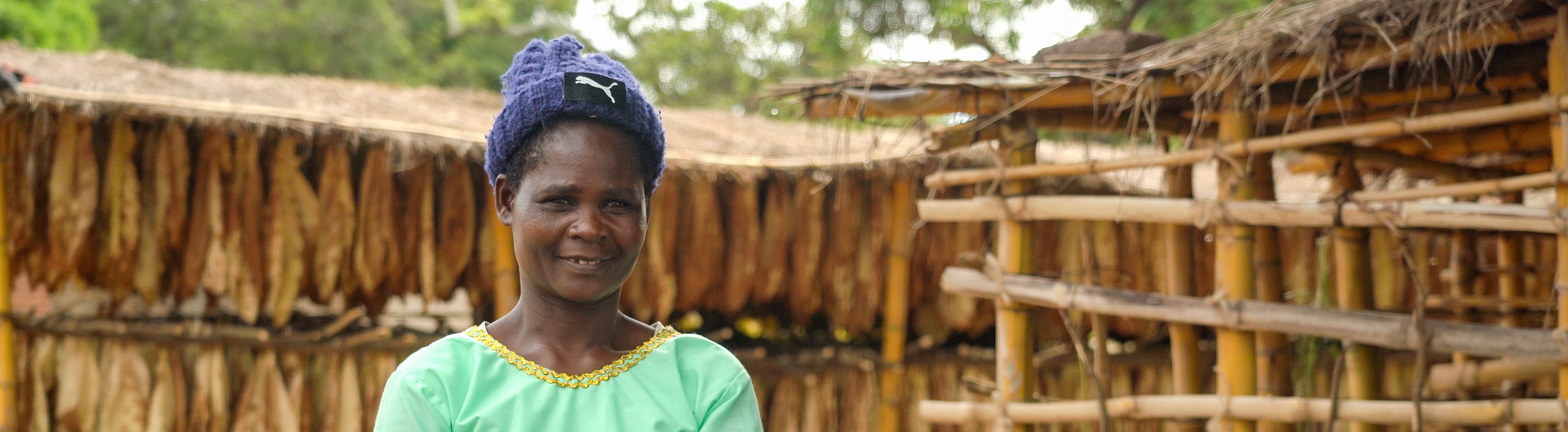
Anesi - “With the businesses I started, I want to buy land for my children so they will never forget me.”
Studies find that cash can:
Increase entrepreneurship[1] – one study of GiveDirectly’s program found new business creation doubled.[5] For more on female entrepreneurs, watch→
Increase the number of families saving and the amount they saved[1] – one study of GiveDirectly’s program found women doubled their savings.[5] To learn about women's savings groups, watch→
Elderly support
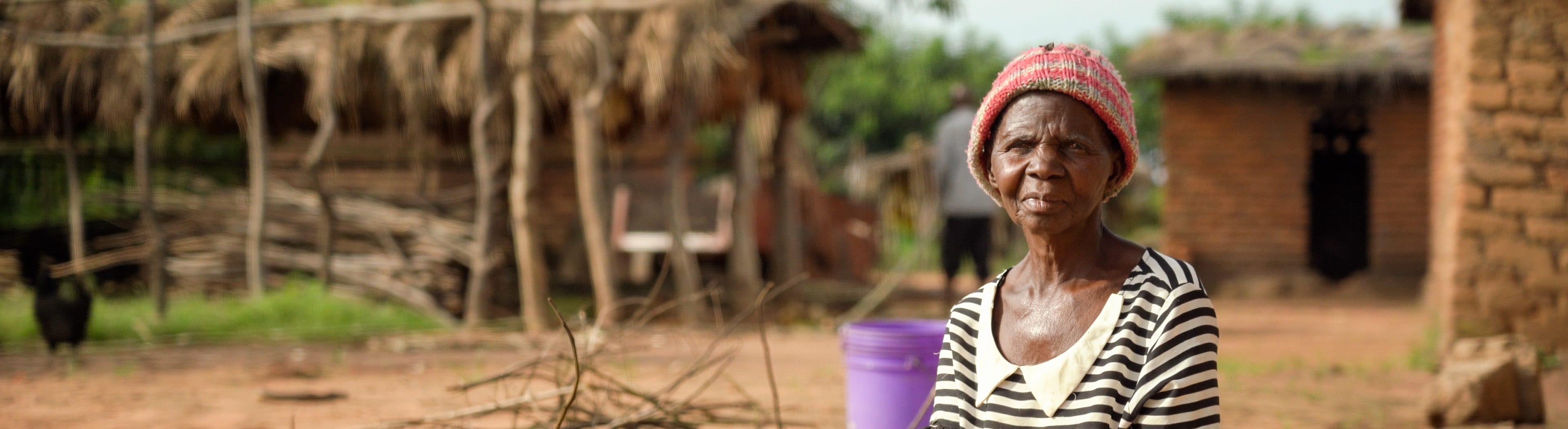
Faidesi - “Now that I am old, I can’t farm and often sleep hungry. I would have been dead if it wasn’t for these payments.”
Studies find that cash can:
Reduce the likelihood of having had an illness in the last three months[6] – one study in Tanzania found cash reduced the number of doctor visits made by women over 60.[7]
Note: This post was crossposted from the Coefficient Giving Farm Animal Welfare Research Newsletter by the Forum team, with the author's permission. The author may not see or respond to comments on this post.
Subtitle: On vegan advocacy, effective altruism, and FIFA
I turn 40 today. Here are some hot takes.
On factory farming
1. Our biggest challenge is salience. If factory farming led the evening news, it wouldn’t last lo...
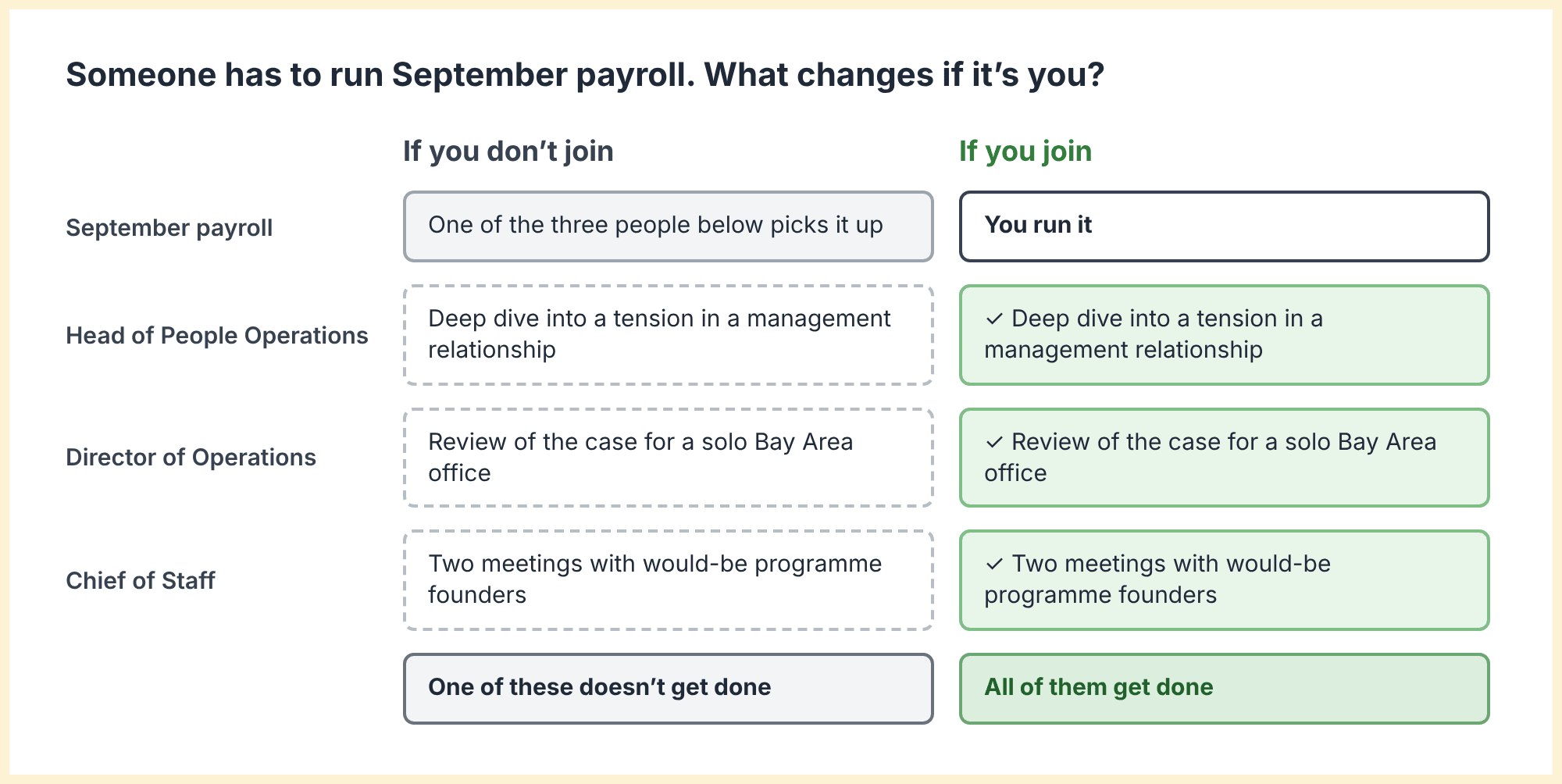
When speaking to candidates who are considering working with us at 80,000 Hours, I often hear people worry about replaceability.
The familiar version of the worry is about whether the organisation will hire someone else in your place. If it will, then the difference you make by taking the job is only the difference between you and them.
There are a couple of well-known answers to that. The person hired in your place probably cares about the world too, and would go on to do somethi...
> TL;DR: No, but you might, if you leave it too late: We’re hiring for seven roles, and the people who join now will shape what a much bigger AIM becomes. The first step is cheap -- an expression of interest form.
My worry
I rejoined...



Why is it that 62% of recipients are women?
Two reasons:
- Our biggest program (large transfers) allows families to select a single head of household to receive the funds. Women often handle household spending so are slightly over-represented as the recipient in this program.
- We run a few specialty programs that are explicitly targeting women (e.g. this nutrition program or this cancer program)