Comments
More from the author
Curated and popular this week
Note: This post was crossposted from the Coefficient Giving Farm Animal Welfare Research Newsletter by the Forum team, with the author's permission. The author may not see or respond to comments on this post.
Subtitle: On vegan advocacy, effective altruism, and FIFA
I turn 40 today. Here are some hot takes.
On factory farming
1. Our biggest challenge is salience. If factory farming led the evening news, it wouldn’t last lo...
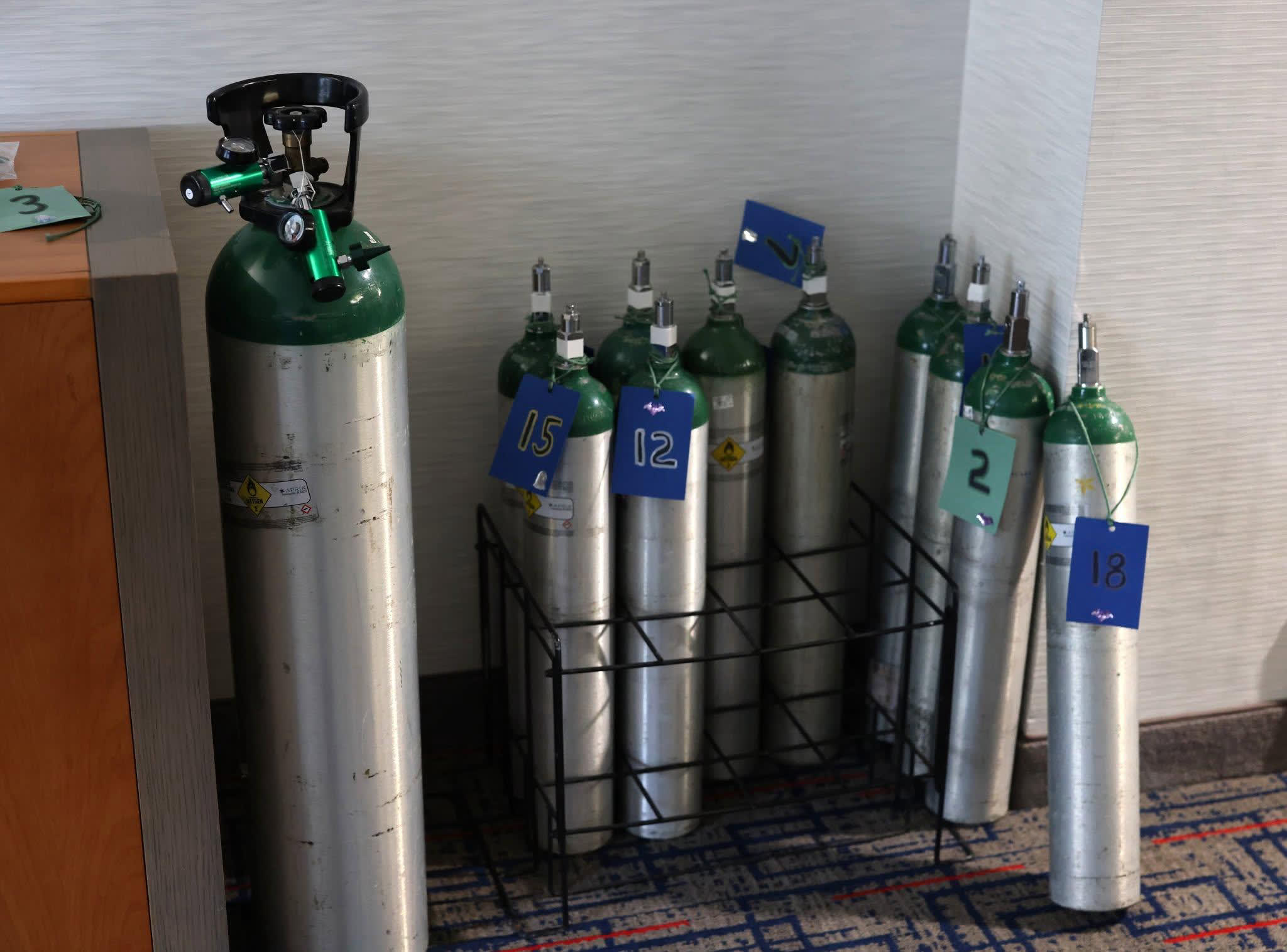
Impressions from the 21st Annual U.S. Cluster Headache Patient Conference, organized by Clusterbusters.
On the morning of the last day of the conference, E. was hanging out with other “clusterheads” outside the conference hotel when he started having a cluster headache attack. Before he could go back to his hotel room, J. offered E. his DMT v...
64
TL;DR:
The movement has an evidence problem. To solve it, for each intervention we need to know:
* What types of evidence that intervention needs
* What types of evidence different sources can give us
In this post, we outline a framework for evidencing an intervention through five stages:
...

Recent opportunities to take action
Chek out Maya Mathur’s slides on the state of nudging research: https://osf.io/encd5
I also wrote a recent meta-analysis of MAP reduction research that identifies some high-quality RCTs as well as collates some prior systematic reviews: https://forum.effectivealtruism.org/posts/k9qqGZtmWz3x4yaaA/environmental-and-health-appeals-are-the-most-effective
From a moral philosophy/psychology perspective, check out Lucius Caviola at Harvard or Eric Schwitzgebel : http://www.faculty.ucr.edu/~eschwitz/
These aren’t exactly syllabi, but I think that between these researchers you’ll be able to put something nice together.
I would be obliged to see the final product when you have one!