Comments
55
...

This is a continuation of a series of posts regarding my transition to Biosecurity. After having completed the BlueDot Impact Course on Biosecurity (which I would highly recommend), the next question I wanted to answer is which biosecurity intervention should I focus on? I want to focus on an intervention that is suited to my skillset. However, this was not as straightforward, given the broad landscape of biosecurity interventions. My idea was to create a breakdown of biosecurity interventions mapped to relevant technical and policy skills. I hope this post will help others like myself.
The biosecurity interventions I selected are mostly based on the curriculum for the BlueDot Impact Course on Biosecurity, with some additions from the Map of Biosecurity Interventions, and a Computer Scientist's Guide to Stopping Pandemics. I think it’s useful to think of Biosecurity as a tiered defense system of a castle. Using this analogy, we can break down the interventions like so:
| Layer | Analogy | Examples |
| 1. Prevention | Treaties & walls |
|
| 2. Detection | Watchtowers |
|
| 3. Non-Pharmaceutical Interventions | The moat |
|
| 4. Medical Countermeasures | Reinforcements |
|
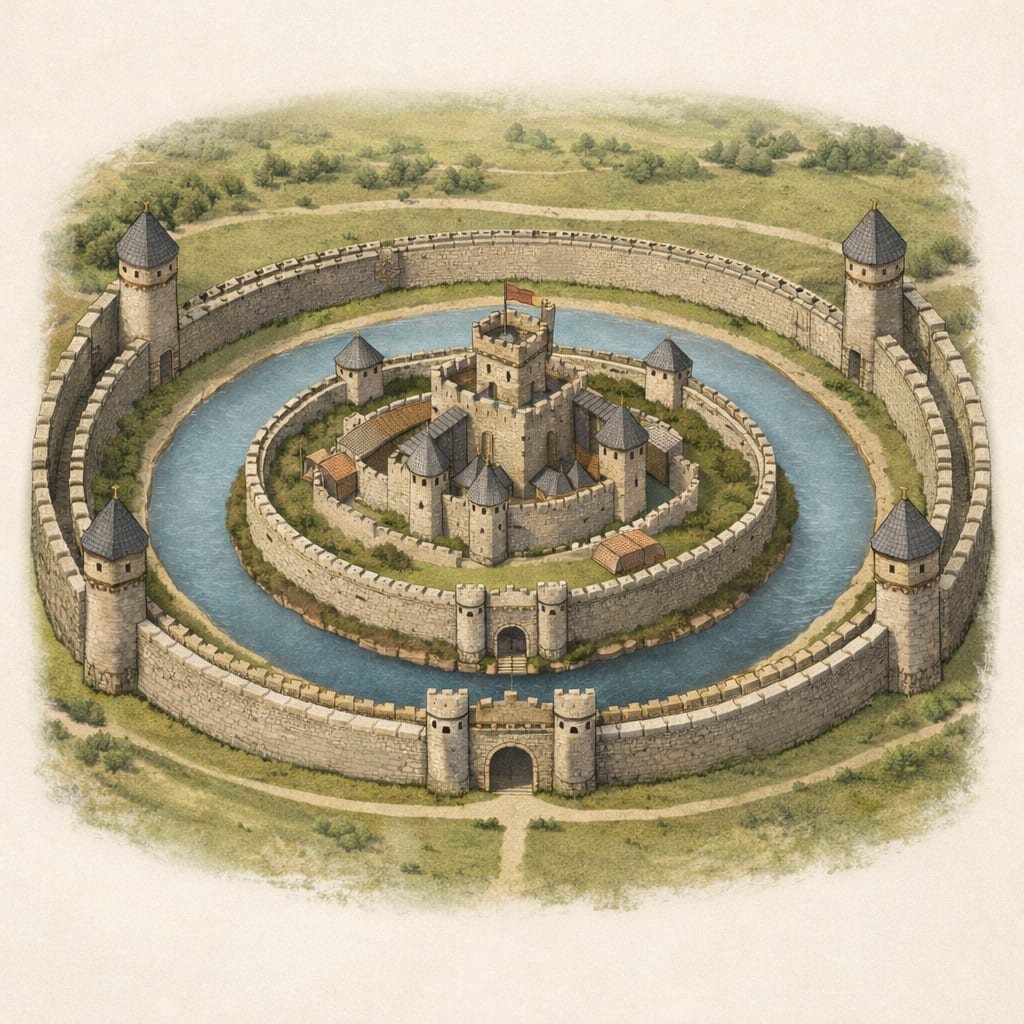
Based on this analogy, I believe we should prioritize earlier layers of defense, since containing a pandemic after it has already broken out is much more costly than preventing it in the first place. However, I’ve heard a couple different counterarguments to this, including:
I’m curious what others have to say about this, and how it fits into their intervention prioritization.
Now that we have an overview of specific interventions within Biosecurity, we can map those to relevant skills. Some interventions are more technically oriented, some are more policy oriented, and some are both (source). I have listed some relevant skills below, but it is by no means exhaustive. A couple of final caveats before the final mapping:
| Interventions | Technical | Policy Skills |
|---|---|---|
| AI Safeguards |
|
|
| DNA Synthesis Screening |
| |
| Biological Weapons Convention |
| |
| Governance of risky biological research |
|
| Interventions | Technical | Policy Skills |
|---|---|---|
| Metagenomic sequencing |
|
|
| Rapid Individual testing |
|
|
| Genetic engineering detection/attribution |
|
|
| Internet Search Traffic monitoring | ||
| Agricultural Disease Monitoring |
| Interventions | Technical | Policy Skills |
|---|---|---|
| Pandemic proof PPE |
|
|
| Biohardening (Far-UVC & Glycol Vapors, better Air Purifiers) |
|
|
| Interventions | Technical | Policy Skills |
|---|---|---|
| Faster R&D |
|
|
| Clinical Trials innovation |
|
|
| Better financing and procurement |
|
|
| Faster manufacturing and delivery |
|
|
| Broad-spectrum vaccines and therapeutics |
|
|
I think it would also be useful to add a column for organizations doing relevant work in these interventions so readers know where to apply and reach out. I will consider adding this if there’s sufficient interest.
As mentioned above, if you'd like to contribute or have expertise in any of these areas, please leave a comment or reach out directly.
This mapping is incomplete. I'm sharing it now because I think even the partial version is useful, and because I'd like the community's help improving it. Specific areas where feedback would be valuable:
If you'd like to contribute or have expertise in any of these areas, please leave a comment or reach out directly.