Comments
More from the author
Curated and popular this week
Note: This post was crossposted from the Coefficient Giving Farm Animal Welfare Research Newsletter by the Forum team, with the author's permission. The author may not see or respond to comments on this post.
Subtitle: On vegan advocacy, effective altruism, and FIFA
I turn 40 today. Here are some hot takes.
On factory farming
1. Our biggest challenge is salience. If factory farming led the evening news, it wouldn’t last lo...
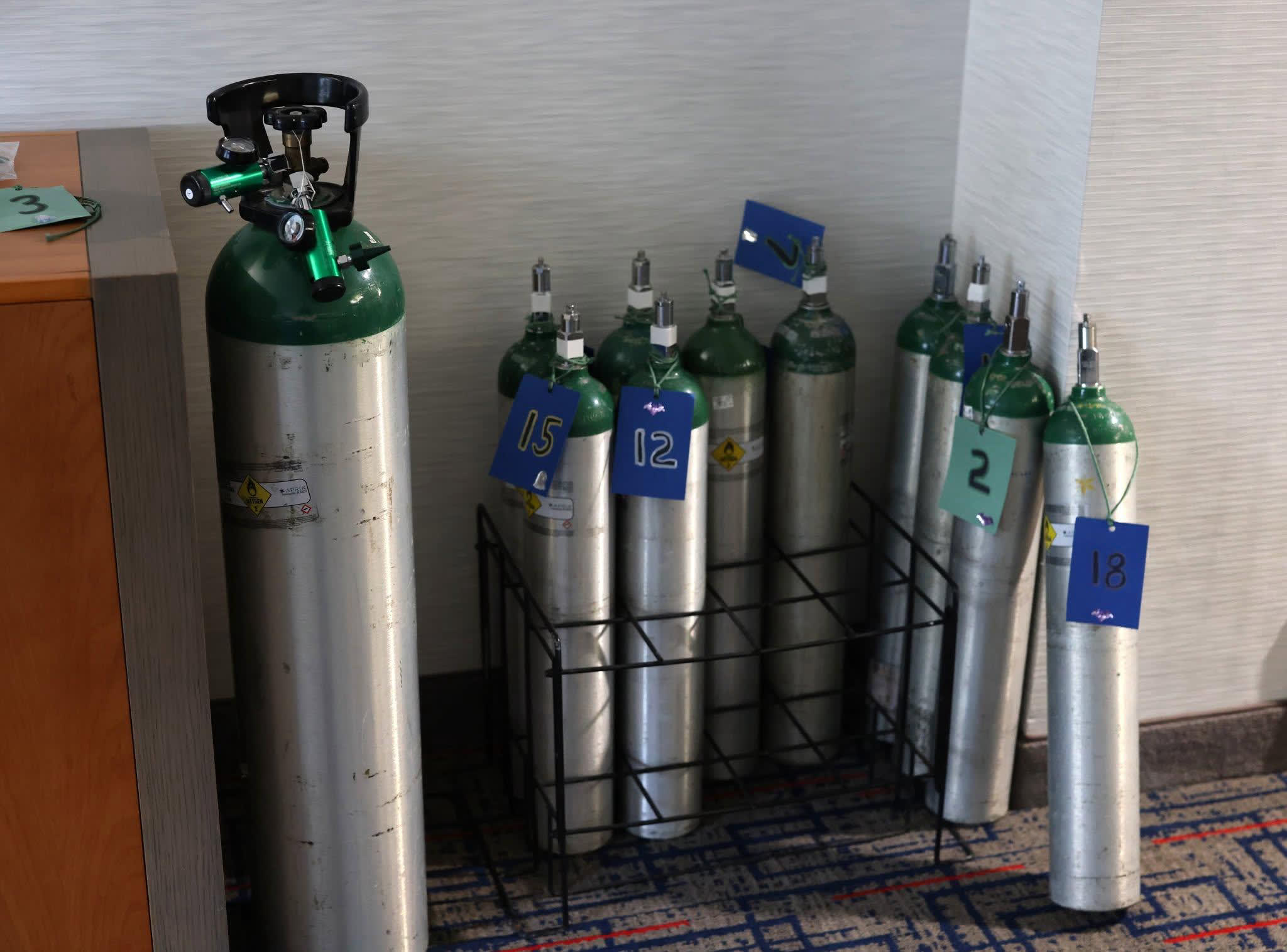
Impressions from the 21st Annual U.S. Cluster Headache Patient Conference, organized by Clusterbusters.
On the morning of the last day of the conference, E. was hanging out with other “clusterheads” outside the conference hotel when he started having a cluster headache attack. Before he could go back to his hotel room, J. offered E. his DMT v...
63
TL;DR:
The movement has an evidence problem. To solve it, for each intervention we need to know:
* What types of evidence that intervention needs
* What types of evidence different sources can give us
In this post, we outline a framework for evidencing an intervention through five stages:
...

Recent opportunities to take action
If you think about the fraud SBF did, it could technically be thought of as merely a redistribution of wealth from those who held FTX to those who shorted ftx and almeda.
Could it be possible that this redistribution was good?
Among other reasons to disagree with this statement, I don't think it is accurate to say that depositors "held FTX."
Was anyone able to short FTX or Alameda? Neither was publicly traded.
Presumably could short the FTT token, which was a form of psuedo-equity in FTX.
For every dollar someone lost, someone else gained a dollar, I wonder where that money went.
Overpriced private equity investments, bad crypto trades, celebrity endorsers, etc. Pretty sure the marginal utility of Tom Brady having more money is minimal at best!
Michael Lewis tries to provide some rough estimates in the last chapter or two of "Going Infinite". From memory, his answer is more or less along the same lines as Jason's comment. Also, some of the money was stolen in hacks, and some has now gone to the bankruptcy lawyers etc.