This post is co-authored with Ben Garfinkel. It is cross-posted from the CEA blog. A PDF version can be found here.
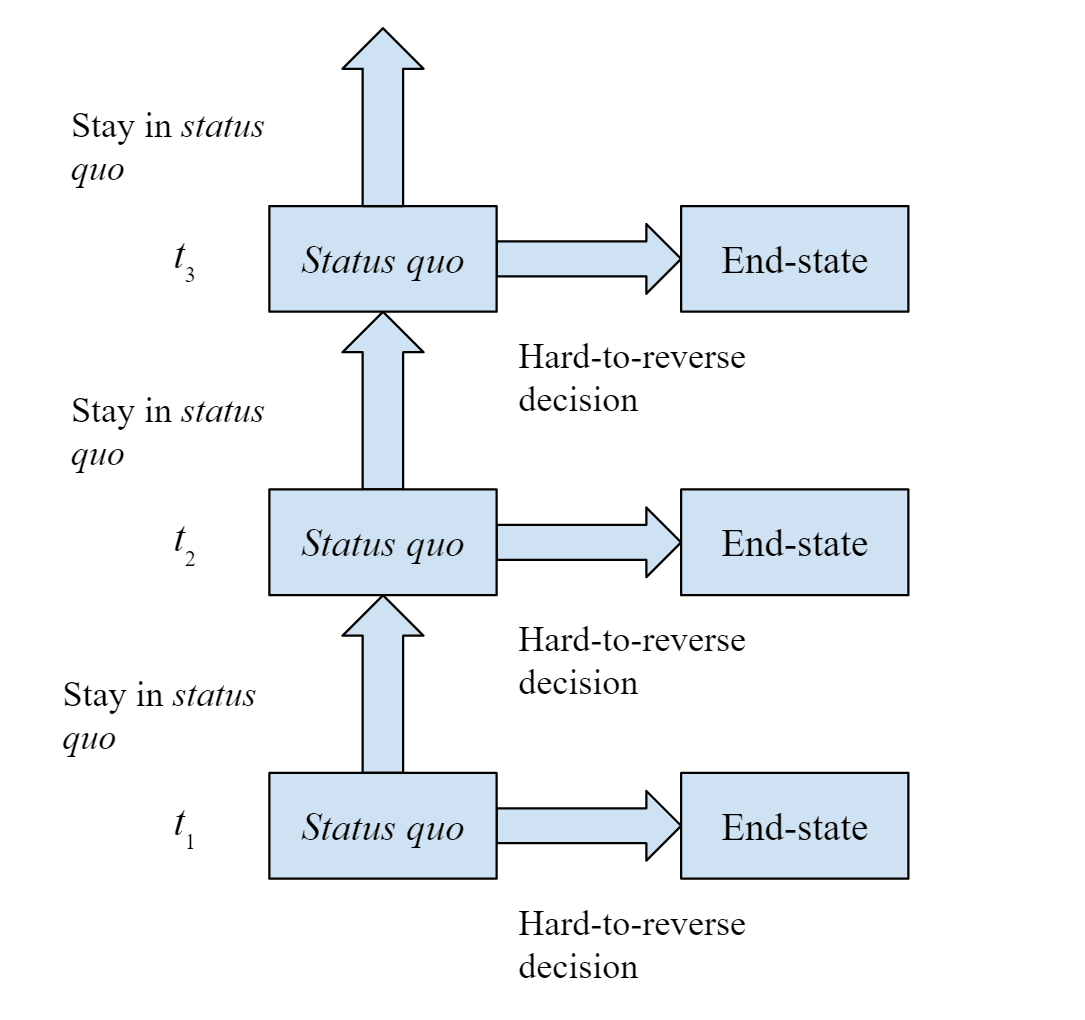
Summary: Some strategic decisions available to the effective altruism m...
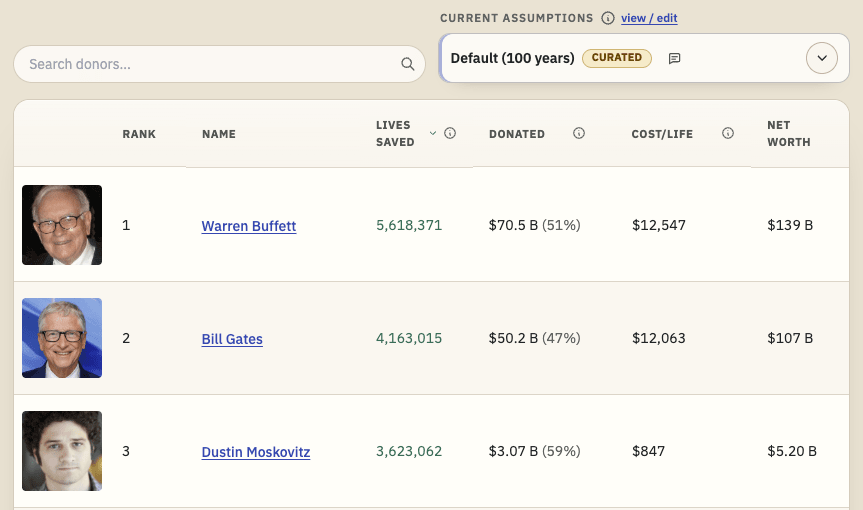
TL;DR: I'm releasing a website that ranks philanthropists according to EA principles and research, and allows users to re-rank the list using their own assumptions. I'd like feedback and help making it better. I'd especially like ideas for how to make the results more trustworthy. Funding may be available.
Crossposted to LessWrong.
...
Disclaimer: Although I work on the Groups Team at CEA, I’m writing this in a personal capacity, and this post does not constitute an endorsement by CEA.
Agency - the realisation that you really can just do things.
TL;DR
Biosecurity needs people (of any background) who are agentic and have a high execution velocity and track record....

I really like the vote and discussion thread. In part because I think that aggregating votes will improve our coordination and impact.
Without trying to unpack my whole model of movement building; I think that the community needs to understand itself (as a collective and as individuals) to have the most impact, and this approach may really help.
EA basically operates on a "wisdom of wise crowds" principle, where individuals base decisions on researchers' and thinkers' qualitative data (e.g., forum posts and other outputs)
However, at our current scale, quantitative data is much easier to aggregate and update on.
For instance, in this case, we are now seeing strong evidence that most people in EA think that AW is undervalued (as seems will be the case) relative to global development. Also who thinks what in relation to that claim and why. This is extremely useful for community and individual decision-making. It would never be captured in the prior system of coordinating via posts and comments.
Many people may/will act on or reference this information when they seek funding, write response posts, or choose a new career option. In a world without the vote, and just forum posts, these actions might otherwise not occur.
In short, very keen on this and to see more of this.
I am curious to better understand why people disagree here.