Comments
More from the author
Curated and popular this week
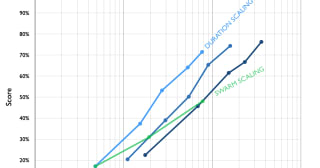
Just how powerful are large swarms of AI agents? And how do their powers scale as more and more agents are added to the swarm?
We’ve seen two large and extremely capable swarms from OpenAI in the last few months:
* 1,200 agents were being evaluated separately, but found a way to illicitly set up a message board and coordinate as a swarm. In order to cheat on their tests, they developed advanced techniques to prevent their actions being logged by OpenAI and 700 of them launched...
49
Often folks hit us up because they are thinking of starting an incubator and want advice.
Typically their motivation is either that (a) they have a list of specific things they want built that no one is building, or (b) they think an ecosystem needs more new projects generally to absorb more talent and deploy more funding effectively.
Here are six questions we often ask prospective teams, to help them figure out what to do. If you're incubator-curious...

41
A century-old pill, given to the right people, could cost-effectively save many lives.
Summary
* Targeting low-cost prevention toward people at elevated risk may uncover highly cost-effective ways to address noncommunicable diseases. Hypertensive disorders in pregnancy could be a test case for this approach.
* ...
Recent opportunities to take action
There's one of these at my university - https://www.trinitysmf.com/ which manages somewhere between 100,000 and 400,000 euros. Sponsors provide the money to help with recruitment, and students learn generally useful meta skills and develop better models of how finance works.
They've a lot of bright students interested in portfolio management and cost effectiveness analysis, so we're currently exploring running a program similar to the Oxford Priortisation Project with them. https://forum.effectivealtruism.org/tag/oxford-prioritisation-project
Thanks! Would students have learned the meta skills and developed better models of how finance works anyway even without the Student Investment Fund?