I've been hearing for a year about an EAGx potentially being run in Sub-Saharan Africa. Any updates on that? I heard CEA was hesitant on backing an EAGx in Africa until communities were more developed there. If CEA was hesitant, it would be great to hear why and what they would want to see to get behind and EAGx on the continent?
Yes, we have been exploring that with the help of local organisers.
Assuming enough people will attend, I think the case for doing it is relatively clear. Our current events roster doesn't include many events which EAs in Africa can attend and those that do are often very far away and in countries which are very difficult for Africans to attend because of visa issues.
We have interested organisers and there are many cities which could act as great hosts. The challenges are:
As you note, it's possible we should support community growth at the local level before running a regional conference.
The places which are more densely populated with EAs (e.g. South Africa) aren't easily accessible to EAs in other parts of the continent because of visa issues.
EAs in Africa are distributed across the continent and flights are very expensive. It might make more sense to run smaller events (e.g. in Nigeria and in Kenya and in South Africa) than one large event.
I plan to continue exploring this, thanks for asking.
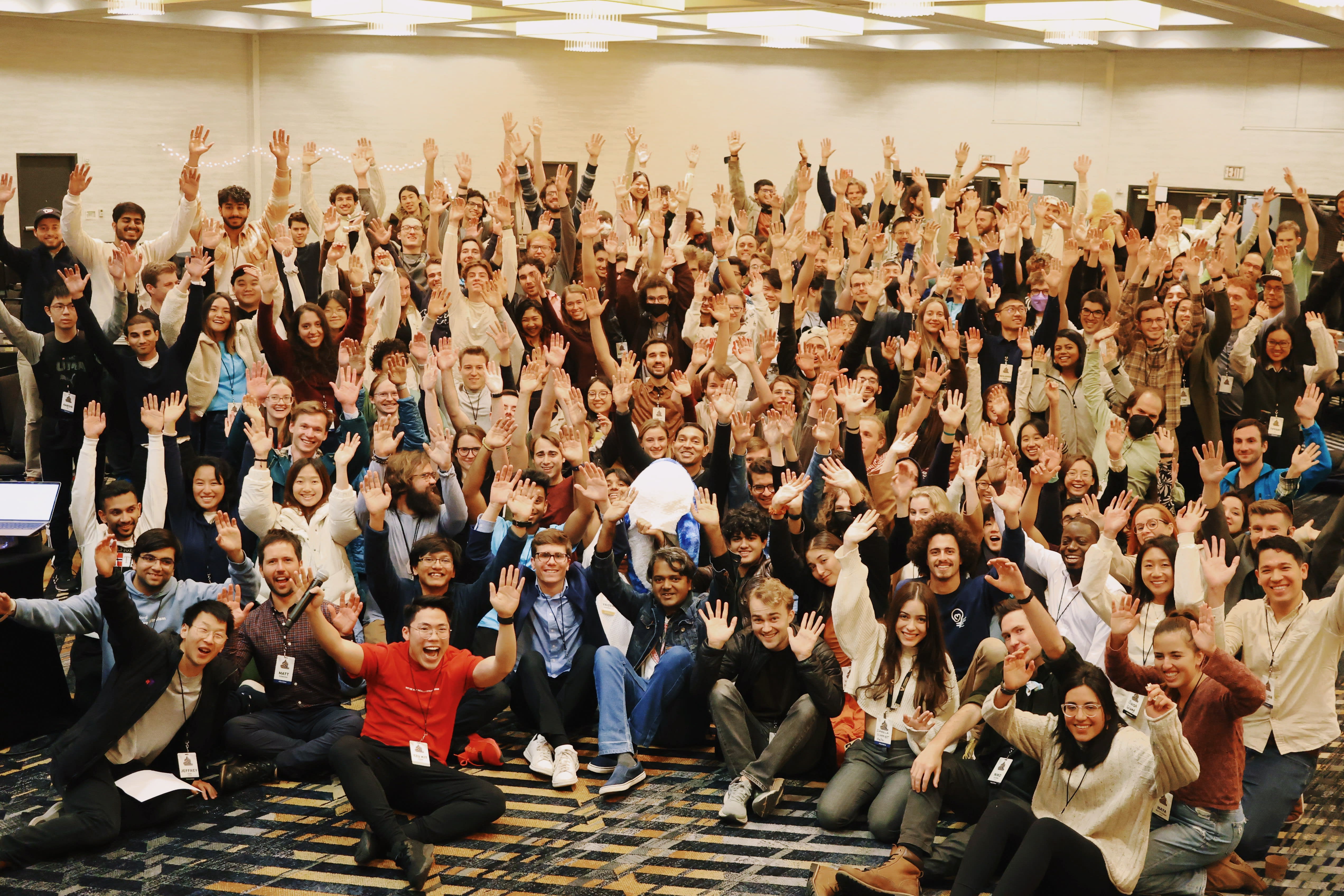
An EAGx event typically takes place over 2 days and will typically involve:
Talks and workshops on pressing problems that the EA community is currently trying to address and ideas to help the community achieve its goals;
The opportunity to meet and share advice with other EAs in the community, including meet-ups for people who share interests or backgrounds;
Social events at and around the conference.
Just like there are TED and TEDx conferences, there are EAG and EAGx conferences. The 'x' indicates that this is a community-organised EAG event.
EA Global (EAG) conferences are organised by the Centre for Effective Altruism, and people from all over the world attend these. The team at CEA is responsible for choosing the content, processing admissions, and production of the conference.
EAGx events, on the other hand, are community-organised with support from CEA. The target audience for EAGx events is broader than EAG, but tends to have a more regional focus. CEA provides funding and support to EAGx events (e.g. access to our event app), but the local community organisers are responsible for choosing content, processing admissions, and production of the conference.
What’s the impact case?
As outlined in a previous post, we find that EAGx events are a particularly cost-effective way of building the EA community. We think there are increasing returns to scale, such that large events like EAGx events can provide more value per dollar than smaller community-building retreats.
Open Philanthropy’s 2020 survey of people involved in longtermist priority work (a significant fraction of work in the EA community) found that about half of the impact that CEA had on respondents was via EAG and EAGx conferences.
More anecdotally, we regularly encounter community members who cite EAGx events as playing a key part in their EA journey. You can read some examples from our recent analysis.
Organisations associated with the EA community report that EA conferences are an excellent place to hire additional staff and launch new projects.
EAGx events help increase the diversity and global reach of the EA community and related communities (x-risk, animal welfare, global health). For example, we suspect that EAGx events are likely one of the only large events where serious consideration of existential risks takes place in many parts of the world (e.g. India, Latin America, East Asia).
But we can’t make these events happen without local organisers! EAGx organisers counterfactually make many of the above effects possible. In most cases, if organisers didn’t step forward, the event simply wouldn’t happen.
How will CEA decide?
We aim to run events such that anyone familiar with EA who is interested in learning more can attend an event to connect with other EAs. This means we’re focused on serving regions where:
There are a sufficient number of people interested in EA to make a full conference (approximately 200 or more people);
There is an active EA group that can organise the event;
There won’t be significant logistical obstacles if we choose that area (e.g. visa issues for many attendees);
There isn’t a clashing EAGx event.
Regions will vary in size quite dramatically because of the spread of EAs around the world. For example, there are a sufficient number of EAs in the Nordic countries to warrant an EAGxNordics. There is also a sufficient number of EAs in all of East Asia to warrant an EAGx in that region each year (Singapore in 2022, Philippines in 2023) but East Asia has a population ~50 times bigger than the Nordics.
For 2024, we are especially excited to support organisers who can operate autonomously. This means that we’ll favour applications from teams with events experience (especially EAGx event experience) and teams that can be fiscally independent (i.e. can operate as part of an organisation that can accept grants and make payments themselves. A national EA organisation is the ideal here).
We still expect to support organisers who do not meet these criteria, so we strongly encourage you to apply even if you don’t have events experience or a registered national EA group. We’re also excited to support EAGx events in new locations we haven’t looked at before.
If you have any questions, feel free to contact me on [email protected]
Crossposted to Less Wrong
‘Like most of life’s dangers, the dangers of artificial intelligence are not easily identified from the armchair.’
J Dmitri Gallow
Epistemic status
I’m not an expert in this field, and herein I make some sweeping generalisations educated guesses about the overall...
TL;DR: EA has traditionally deprioritized climate change as a cause area. But a new report from Rethink Priorities, an EA research institute, suggests that specific Earth systems risks driven by climate change could have mortality impacts comparable to major global health burdens, on top of the known damages of climate change.
The report finds that research and governance work on ‘Earth Systems Stabilization’ to establish whether safe options to address th...



A quick note to say that I'm taking some time off after publishing these posts. I'll aim to reply to any comments from 17 July.