Headline finding: I audited 17 AI Safety Talent programmes. Zero of 17 have published any comparison group, rejected-applicant follow-up, matched control or randomisation. Not one. Every programme that mentions a counterfactual does it by asking participants to self-report.
Background
At least $70 million...
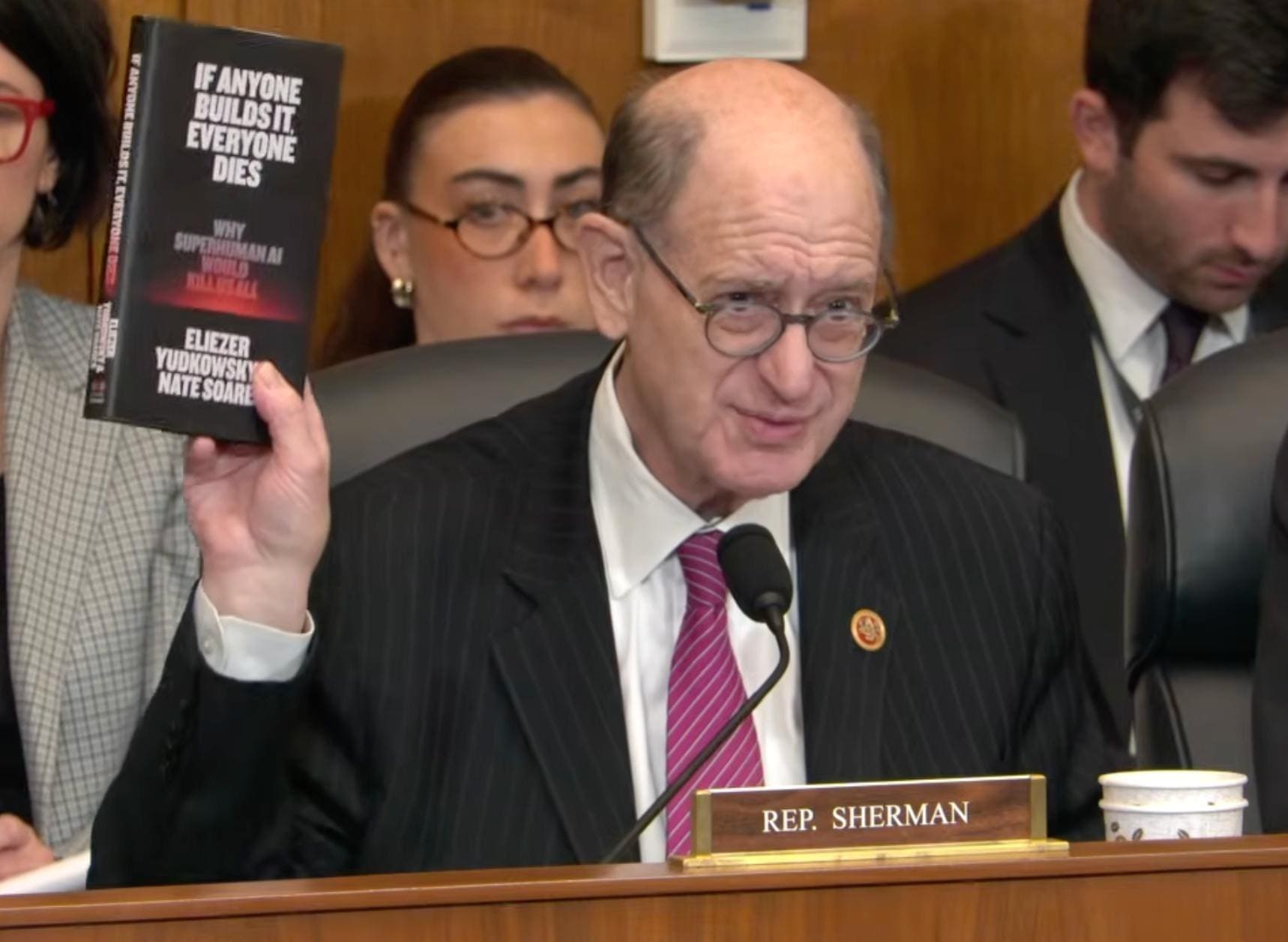
In celebration of still being alive and fighting, we are giving away 1,000 Amazon e-books of “If Anyone Builds It, Everyone Dies”. Feel free to send a copy to yourself, a loved one, or a friend—we need all hands on deck.
Today marks exactly one year since If Anyone Builds It, Everyone Dies: Why Superhuman AI Would Kill Us All, by Eliezer Yudkowsky and Nate Soare...
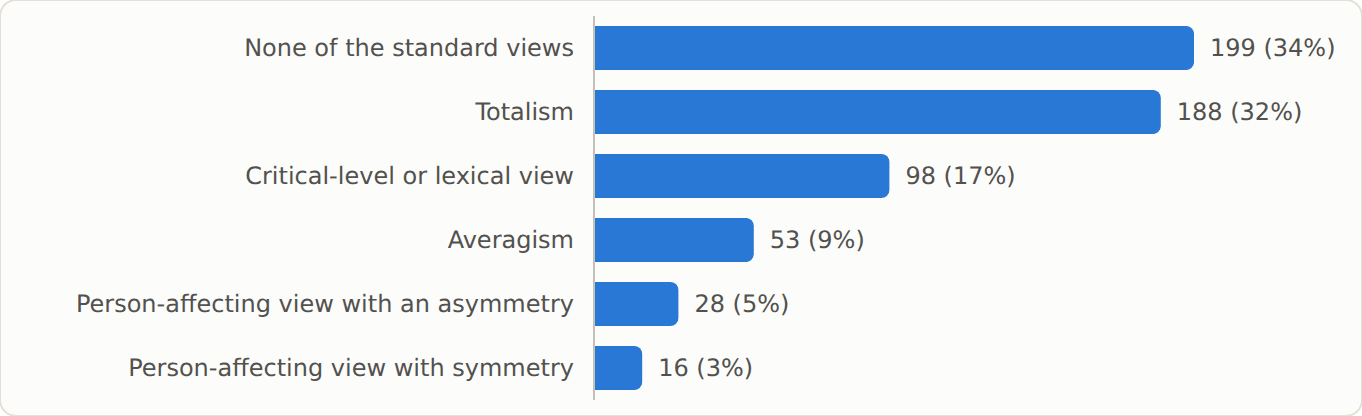
Two weeks ago, I released a population ethics quiz. 582 people took it.[1] Here's what I learned from reading the responses.
Cross-posted from my website.
Preamble, and a new edition of the quiz
I was worried that I'd...


Some quick observations on the attacks on METR, EA, and other AI safety orgs (from my perspective as a political campaigner and former Communications Director for a union and mayor during COVID):
I want to write something longer on this but don't have time right now. Lots of opportunity for good crisis comms here. Let me know what's wrong about this take and if you'd like to hear more!
3 & 5 make sense.
1 / 4 / 6 feel like they might make sense strategically, but I'm proud to be part of a community that often values epistemic humility and correct argumentation above strategic communication.
That's a big part of why I started posting in the EA Forum and on LessWrong in the first place. I'm learning a lot from it!
Here are some quick thoughts:
1, 4 and 6 aren't asking anyone to say something they don't believe, they're more about who says what and where. If someone outside the AI safety world (or better, someone who's disagreed with METR before) says "the corruption story isn't true," that's not less epistemically correct than an insider saying it, it's just more believable to the general public.
I'd gently push back on the bigger part of your arguement though. If the public conversation ends up being "is METR independent" instead of "should anyone outside the labs be checking their work," there's a real cost to that, especially if we end up losing the larger comms battle.
Curious to hear more about what feels wrong to you or where the line would be crossed.
Says "if you're explaining you're losing". IMO explanations are good. You might be correct that needing to explain is a bad sign for whether you are winning a comms battle. But I would still rather offer people genuine explanations, so we can come to a shared understanding of the truth (exactly like this convo).
My reading of this is that you're claiming who says something is more important than what is said. Again, you may be correct here on how to optimally persuade. But I personally want to value good arguments, no matter who makes them.
Feels like it is straightforwardly asking folks to not engage in debate or disagreements. I don't really get how we come to a shared understanding of the truth if we don't offer clear reasons for why we disagree with particular points.
Again, I very much am not saying you are wrong about the implications of ignoring strategic communication norms. You are likely right. I would nonetheless prefer to be in a community that decided to communicate honestly and earnestly, even with people that it disagrees with.