Comments
Apply here!
Applicants are encouraged to submit by March 15th, 2024 at 11:59pm in your time zone for priority consideration, but we will accept applications on a rolling basis through March 22nd at 11:59pm. The application should take ~2.5 hours.
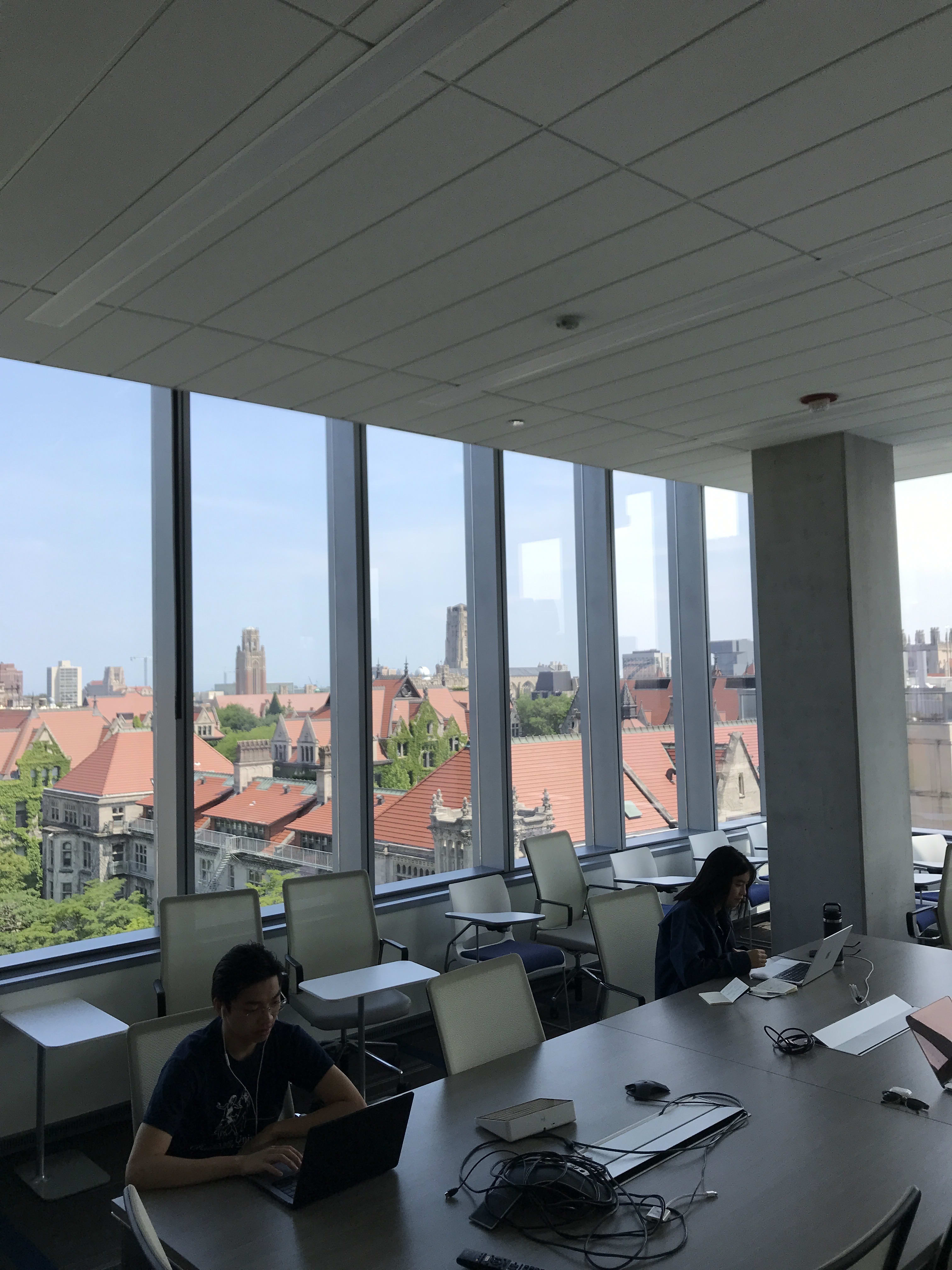
The Existential Risk Laboratory’s (XLab) Summer Research Fellowship is a 10-week, in-person program on the University of Chicago campus aimed at providing highly motivated undergraduate and graduate students the opportunity to produce high impact research on emerging threats from artificial intelligence, natural and engineered pathogens, nuclear weapons, and risk multipliers such as climate-induced migration, critical infrastructure vulnerability, and interstate conflict.
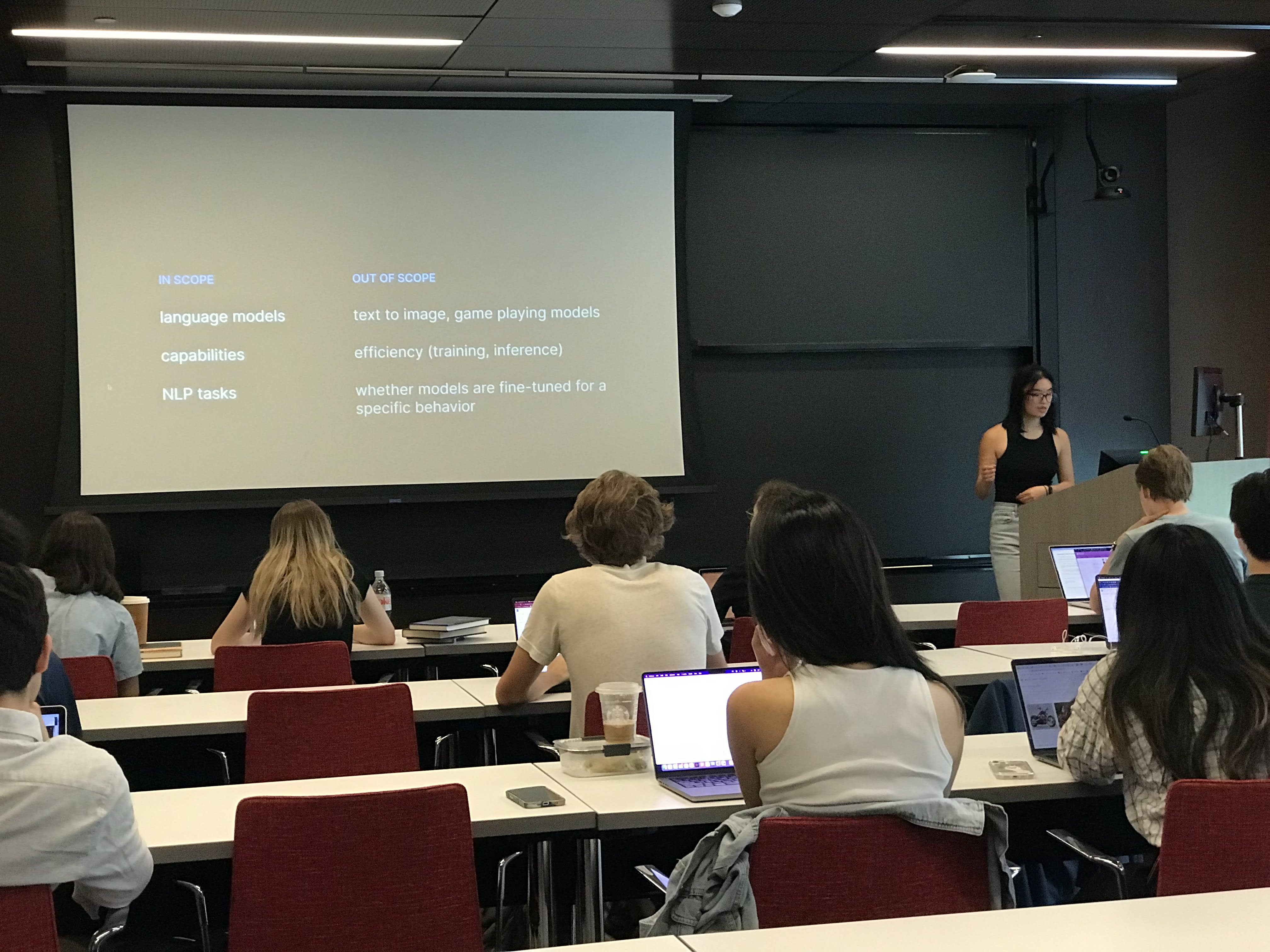
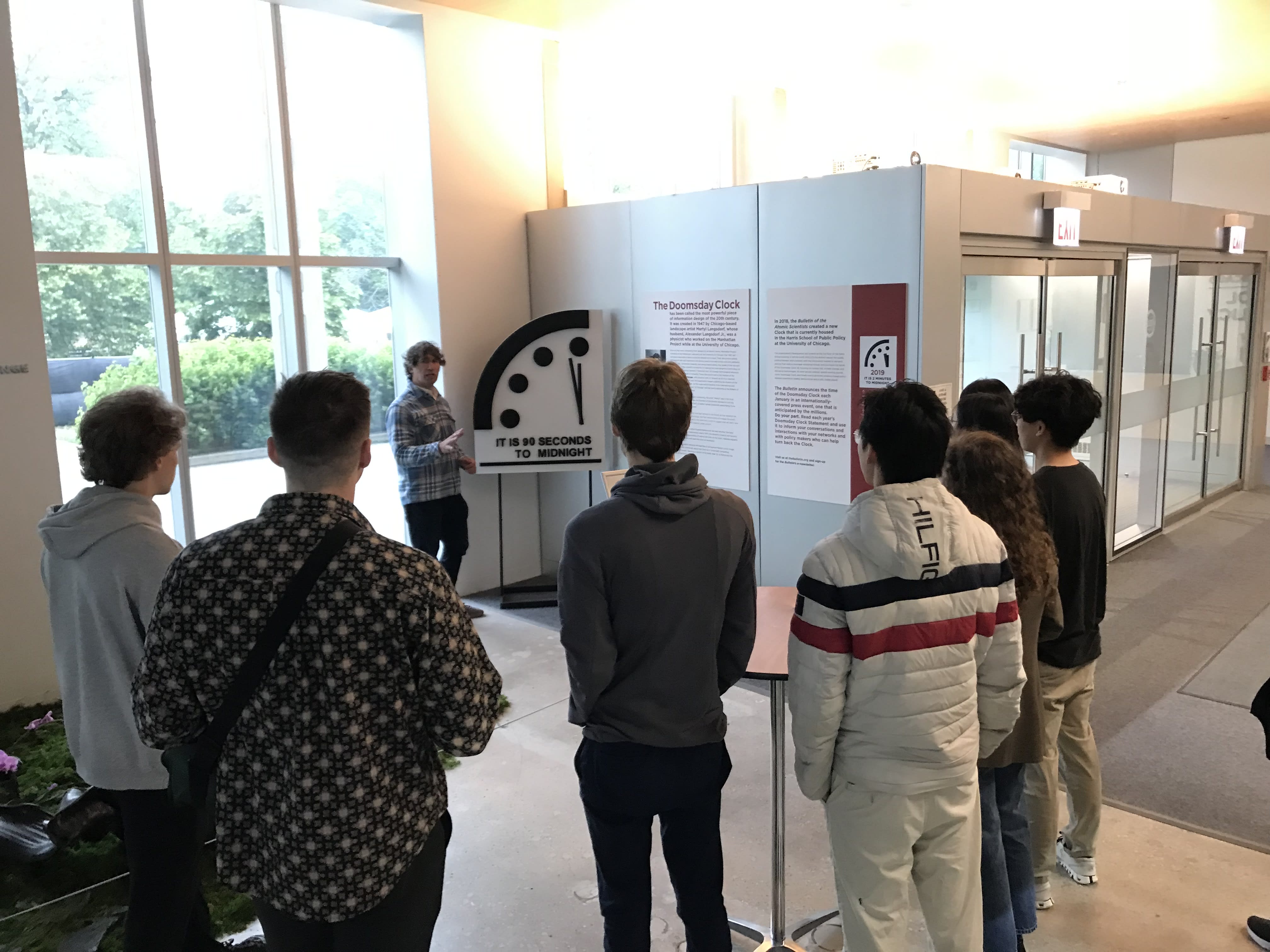
The Fellowship provides an opportunity for scholars in any discipline and any experience level to test their fit for and build expertise in technically informed policy research and direct technical work. Over the course of the program, fellows undertake an independent or team research project with mentorship support from a domain expert and receive 1:1 support from program staff to identify, develop, and refine their project. Fellows will also participate in peer review sessions, cohort social events exploring Chicago, research workshops, and guest speaker Q&As. Depending on experience, final products can take the form of literature reviews, white papers, or full papers and policy reports.
Program Details:
- The program is in-person and will run for 10 weeks from June 10th-August 16th, 2024 on the University of Chicago campus.
- US work authorization is required to participate in this program, e.g. US citizens or students on F-1 visas.
- Fellows receive a $7500 stipend and can optionally receive free on-campus housing and dining plans.
- Fellows are expected to make the program their primary commitment and should not be concurrently working substantial hours in other labs or internships or taking full course loads unless directly relevant to the fellow’s project.
- Fellows may have the opportunity to continue their work with XLab as affiliate researchers, depending on their contributions during the summer.
- Feel free to reach out to [email protected] if you have any questions.
Application Process
- For priority consideration, submit applications by March 15 at 11:59pm in your local time zone. We will stop accepting applications at 11:59pm March 22.
- Promising applicants will then be invited to schedule a 30 minute interview.
- We expect to release decisions in the first week of April. If you need an earlier decision, you can indicate this in the application form or by informing us
See projects and fellows from the 2023 program here.
 |  |  |
Example Topics
Our program is focused on work which, if successful, could contribute to mitigating global catastrophic and existential risk. Below are some examples of the kind of work (both topic and methods) we’d be excited to see more of and welcome applications expressing interest in similar studies. This list is non-exhaustive and is only intended to be illustrative.
- Computing Power and the Governance of Artificial Intelligence
- DecodingTrust: A Comprehensive Assessment of Trustworthiness in GPT Models
- Escalation Risks from Language Models in Military and Diplomatic Decision-Making
- Russian Military Thought and Doctrine Related to Non-strategic Nuclear Weapons: Change and Continuity
- Upgrades To Russia’s Nuclear-Capable Submarine Fleet
- The Operational Risks of AI in Large-Scale Biological Attacks: Results of a Red-Team Study | RAND
- Cryptographic Aspects of DNA Screening
- Data collection and sharing for pathogen surveillance
- Winter-Safe Deterrence: The Risk of Nuclear Winter and Its Challenge to Deterrence
- Seaweed as a Resilient Food Solution After a Nuclear War
If you are on the fence about applying because you’re unsure about whether your background is a good fit, we encourage you to apply anyway. Fellows in years past have had limited exposure to the topics and to research but were extremely successful nonetheless.
Testimonials from last year’s cohort:
“I have loved every minute of x-lab, particularly the opportunity to meet so many like-minded but uniquely smart people working on subject areas different from mine. I've learned to push myself more on questioning my own assumptions, work with teams, and produce a tailored final deliverable.”
“It was quite different from what I anticipated but in a better way. I anticipated the program to be more about just me and my mentor working on a research project, but there was a good amount of interaction with my cohort that I didn't expect. I met many great people and also learned a lot of things I didn't know from the weekly workshop and group meeting (such as unfamiliar areas like nuclear and biotech threats, and different perspectives in AI policy/safety).”
“Going into this program, I had pretty low self-confidence of my capacity to do a technical project and was fully planning to just write a governance report. This program has flipped those expectations, where I better understand where my core weaknesses such that I know that I can initiate and execute a research project decently and also know where I need to build my next skills to have a higher impact.”
“Much better socially than I expected, living in the dorms was great. Being able to co-work with people and talk to others working on technical AI projects was super useful, so much better than counterfactual of just trying to skill up on my own.”
“I was, however, thrilled and pleasantly surprised by how useful it was having conversations with other fellows and being immersed in the cohort. Without these countless conversations, I would not have developed the foundational understanding of AI that I needed to write my research report.”
“i think the main benefits for me were:
1. testing fit in individual research — the research is just a very different experience from anything i've ever done (more intensive and more independent), so i think that taught me a lot about how i like to work and what systems work better for me
2. meeting all the other fellows — i previously didn't really know any friends interested in x-risk or even ai risk because i was so new to it, so meeting people here was really valuable especially since some of them have spent so much time in the field and are just great resources”
 |  |  |
 |  |  |

