Comments
More from the author
Curated and popular this week
Note: This post was crossposted from Planned Obsolescence by the Forum team, with the author's permission. The author may not see or respond to comments on this post.
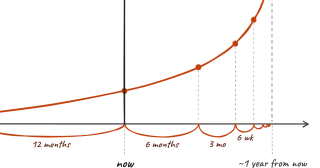
Subtitle: If acceleration compounds, the naive extrapolation implies superintelligence within a year
This post discusses a public METR report on AI R&D acceler...
70
TL;DR:
* When we started Rethink Priorities (RP) in 2018, our mission was, simply put, to close the knowledge gaps that stopped people from improving the world as much as they could. That hasn’t changed much, but the landscape we’re doing it in is shifting.
* In 2027, we plan to grow our core GHD, Animal Welfare, and Worldview Investigations teams to take on emerging priorities across causes, including those that the forthcoming transformative AI is creating.
...
This was cross-posted from the Animal Charity Evaluators blog.
We update our list of recommendations annually. This year, we announced our recommendations on November 10.
Most people who care about animals arrive at the same impas...
Recent opportunities to take action
I'm wondering whether it could be worthwhile to establish a new humane animal product certification. Many words have been written on the EA forum about how the existing labels like "free range eggs" and "pasture-raised eggs" still involve horrific conditions for the chickens, and it's best to avoid them entirely. But eggs, along with other non-meat animal products like milk, wool, and honey can in theory be produced completely humanely, it's just much more expensive. A EA-aligned certification body that actually cares about animal welfare could maintain a list of producers from whom it's ethical to purchase.
Obviously factory farms wouldn't be interested since it's less profitable, but there are at least a few hundred thousand people in the US, probably a few million, who seriously care about animal welfare and would support a niche brand like this. (This is many more than just people in the effective altruism movement; think about the people who produce documentaries like Dominion.)
I'm thinking it could start by appealing to small family farms, like people who have a single chicken coop in the backyard and supply eggs to their neighbors from time to time. Come up with a comprehensive guide to producing animal products ethically, make it available online, and advertise it to small independent producers. Then offer to have someone visit their farm in person and check the conditions, providing suggestions for improvement if any are needed, and if the criteria are met, add them to a list of certified producers. This would obviously be expensive (at least $1000 in travel costs alone), so subsidize it with EA donations at first, and then as the brand catches on it can start charging producers.
Make the list easily searchable to put buyers in contact with sellers. e.g. personally I don't eat eggs, but if I could search for ethical producers in my area, I'd be happy to drive for an hour and pay 5x the normal price to pick some up.
Alternatively it could maybe start with non-perishable items like wool, since those can be shipped long distance to people who want them, so it makes more sense for a product with an extremely small number of producers. (But is there really anyone who desperately wants wool instead of synthetics and would pay a premium for ethical sourcing? Not sure.)
I'm curious whether this has been looked into before, and if so, why it was decided against. I feel like there'd be an opportunity here to partner with more traditional animal rights groups and "back to the land" groups, while also supporting EAs who would like to consume ethical animal products, and raising awareness in the general population of the insufficiency of the existing standards like "free range eggs".
There are descriptions of and opinions on some animal welfare certifications here and here. It seems Animal Welfare Approved, Certified Humane and Animal Welfare Certified (level 5 and up, maybe level 4, too?) should be pretty good.
GAP was funded by Open Phil for its Animal Welfare Certified program back in 2016, and this was one of the first grants Open Phil made in farm animal welfare.