Comments

Thoughts on the applicant feedback problem.
Could job application / grant application / whatever application feedback be outsourced?
Lack of feedback maybe causes a lack of improvement in applications (for jobs, grants, whatever) and keeps the entire pool of applicants (and therefore effective altruists) less competitive.
I wonder under what conditions people could benefit from one another's feedback being visible. For example if I applied for a job and was knocked back (e.g. an EA job) and not given any feedback, how could my information gap be filled in novel ways?
- Maybe outsource feedback to different people such as a curated community of HR people incentivised to contribute to a feedback pool so that future job applicants are more prepared
- Maybe outsource feedback to an AI using specific training and specific templates so that questions are designed to surface blind spots
- Maybe outsource feedback to structured industry specific mentorship / networking organisations
- Maybe the person who didn't hire me could visibly publish one detailed constructive criticism publicly, clearly deidentified or depersonalised
Considerations:
- Maybe organisations have strong incentives to not show constructive criticism
- Perhaps those incentives are more important places to intervene or problem solve?
- Maybe the cost of publishing high quality constructive criticism, done effectively with the right parameters, would offer enough return to be worth it
- E.g. a grants organisation publishing 'top 10 reasons we didn't go with x proposal'
- Is this too controversial? Could the balance be struck between informative and helpful without being condescending or offensive?
- E.g. a grants organisation publishing 'top 10 reasons we didn't go with x proposal'
If more people had more access to more quality feedback, would that likely improve 'things'?

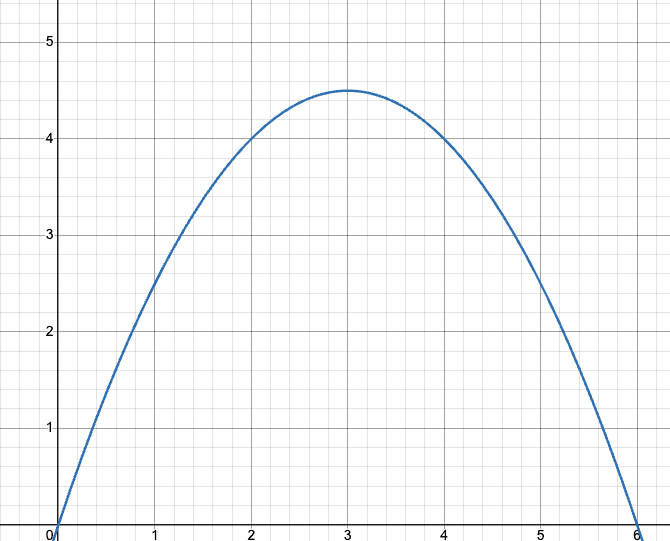
Is there a maximum effective membership size for EA?
@Joey 🔸 spoke at EAGx last night and one of my biggest take-aways was the (controversial maybe) take that more projects should decline money.
This resonates with my experience; constraint is a powerful driver of creativity and with less constraint you do not necessarily create more creativity (or positive output).
Does the EA movement in terms of number of people have a similar dynamic within society? What growth rate is optimal for a group of members to expand, before it becomes sub-optimal? Zillions of factors to consider of course but... something maybe fun to ponder.