Comments
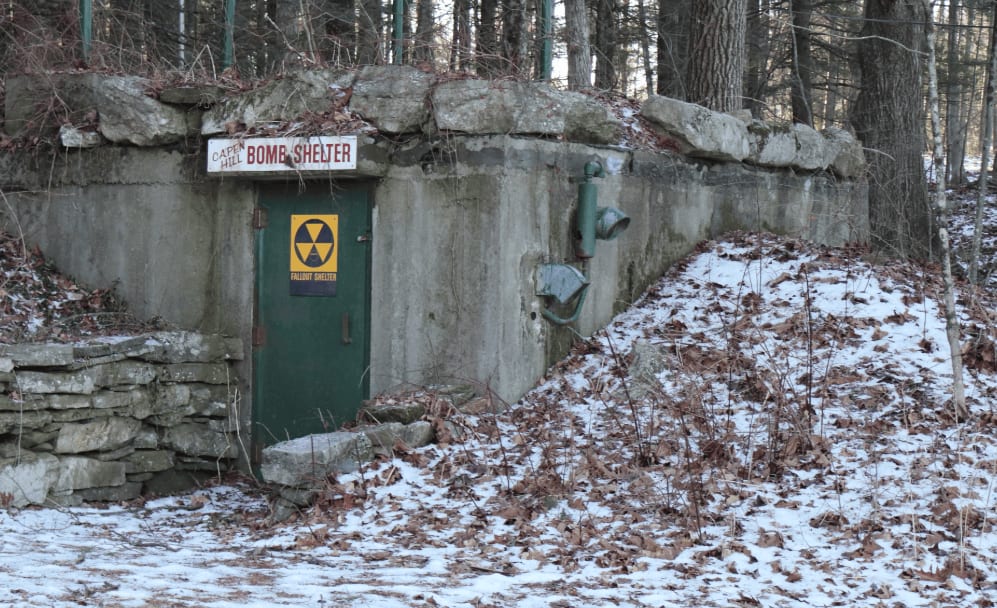
I was born at the end of the cold war, unaware of the danger we were emerging from. Duck and cover drills (as if those could protect schoolchildren from a nuclear blast) were a curiosity of the past.
The farmer-poet Wendell Berry, who wrote about the dread of nuclear war, died recently. From his 1968 “The peace of wild things”:
When despair for the world grows in me
and I wake in the night at the least...

Hi all,
What I find an interesting perspective is to approach ethics from the point of view of a “network.” In our case, a network in which humans (or, more precisely, our intelligences) are the nodes, and the relationships between these intelligences are the edges.
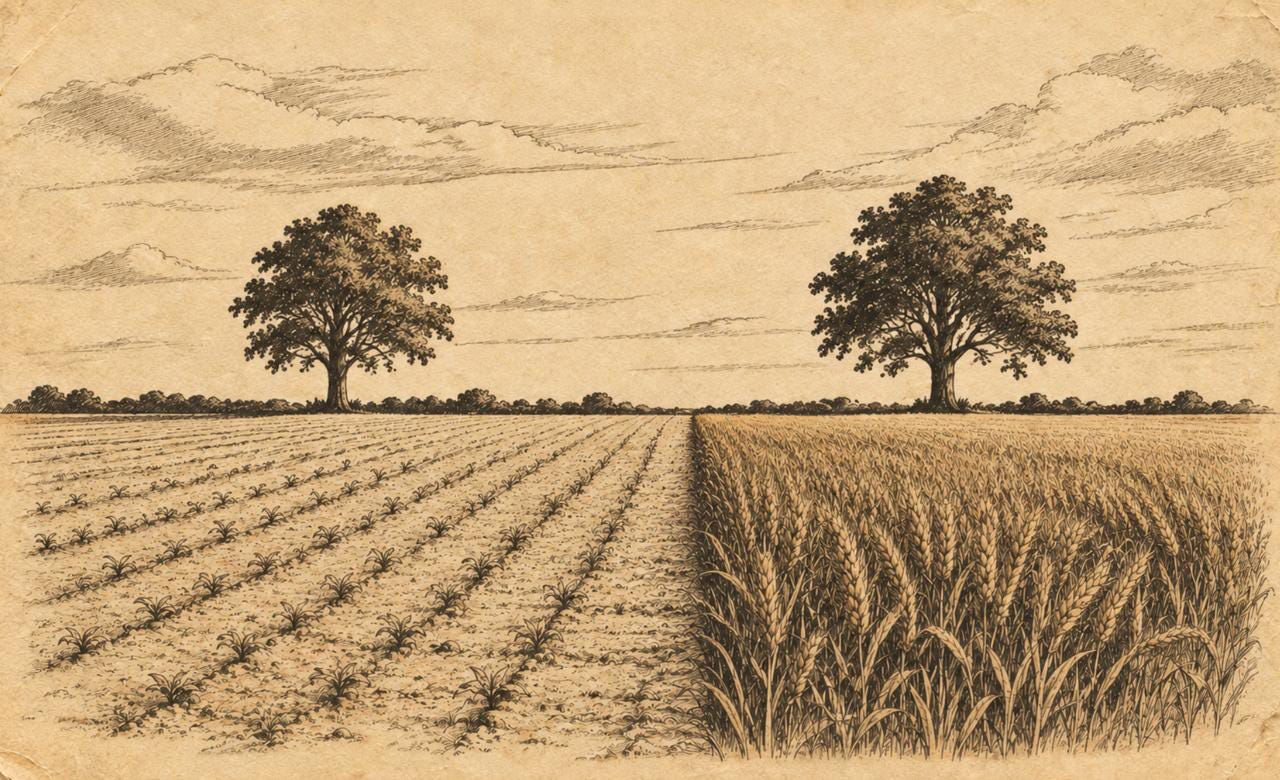
For this network to exist, the nodes need to establish and maintain relationships. This “edge maintenance” can, in turn, be translated into what we call ethics or ethical behaviour. Whatever creates or restores these edges/relationships—and thereby enables the existence of the network—is just, correct, or virtuous. This is because, to make the intelligent nodes physically exist (to keep their substrate intact), the network itself must exist: the nodes are interdependent. One node grows wheat, another harvests it, another bakes bread, another distributes it, etc. Thus, ethics becomes about existence, which is much easier to comprehend.
Once you embrace this network between intelligent nodes, you can also start thinking about all subsequent dependencies in terms of nodes and edges/relationships. This neatly highlights the interdependences of our existence and leads me to formulate the meaning of life as: “Keep alive what keeps us/you alive.” As this becomes the internal logic of this interdependent network.
I’m curious who else finds this perspective interesting, as I believe that using the language of networks and complex systems in this context opens the door to thinking and talking more clearly about intelligence and AI alignment, (inter)national collaboration, (bio)diversity, evolution, etc