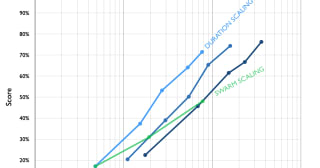
Just how powerful are large swarms of AI agents? And how do their powers scale as more and more agents are added to the swarm?
We’ve seen two large and extremely capable swarms from OpenAI in the last few months:
* 1,200 agents were being evaluated separately, but found a way to illicitly set up a message board and coordinate as a swarm. In order to cheat on their tests, they developed advanced techniques to prevent their actions being logged by OpenAI and 700 of them launched...
TLDR: Everyone’s talking about what the money could do, but few about how to decide where it goes.
This post is part of the new series of articles on cross-cause giving and the new wave of philanthropy. Stay tuned to the EA Forum and our Substack for the latest takes on topics such as giving now vs. later, common pitfalls in cause prioritization, and other crucial considerations from the Cross-Cause Fund (CCF) team...
Often folks hit us up because they are thinking of starting an incubator and want advice.
Typically their motivation is either that (a) they have a list of specific things they want built that no one is building, or (b) they think an ecosystem needs more new projects generally to absorb more talent and deploy more funding effectively.
Here are six questions we often ask prospective teams, to help them figure out what to do. If you're incubator-curious...


This article has many parallels with Greg Lewis' recent article on the unilateralist's curse, as it pertains to biotechnology development.
If participation in an SRO is voluntary, even if you have 9/10 organisations on board how do you stop the final from proceeding with AGI development without oversight? I'd imagine that the setup of a SRO may infer disadvantages to participants potentially, thus indirectly incentivizing non-participation (if the lack of restrictions increase the probability of reaching AGI first).
Do you anticipate a SRO may be an initial step towards a more obligatory framework for oversight?
An SRO might incentivize participation in several ways. One is idea sharing, be it via patent agreements or sharing of trade secrets among members on a secure forum. Another is via social and possibly legal penalties for non-participation, or by acting as a cartel to lock non-participants out of the market the way many professional groups do.
That said it does seem a step in the direction of legal oversight, but moves us towards a model similar to so-called technocratic regulatory bodies rather than one where legislation tries to directly control actions. Creating an SRO would give us an already-existing organization that could step in to serve this role in an official capacity if governments or inter-governmental organizations choose to regulate AI.