Comments
More from the author
Curated and popular this week
82
Cross-posted from my Substack.
Epistemic status: I’ve puzzled over this for a long time but I’m not sure I came to the right answers. I'm sharing this partly because it might help others work on resource allocation, but mostly because some smarter reader might tell me how to do it better.
TL;DR:
* I he...
56
This post is part of the Cross-Cause Fund (CCF) series by Rethink Priorities — a sequence of articles dedicated to effective giving across philanthropic areas.
TL;DR:
There is a seemingly plausible argument that do...

49
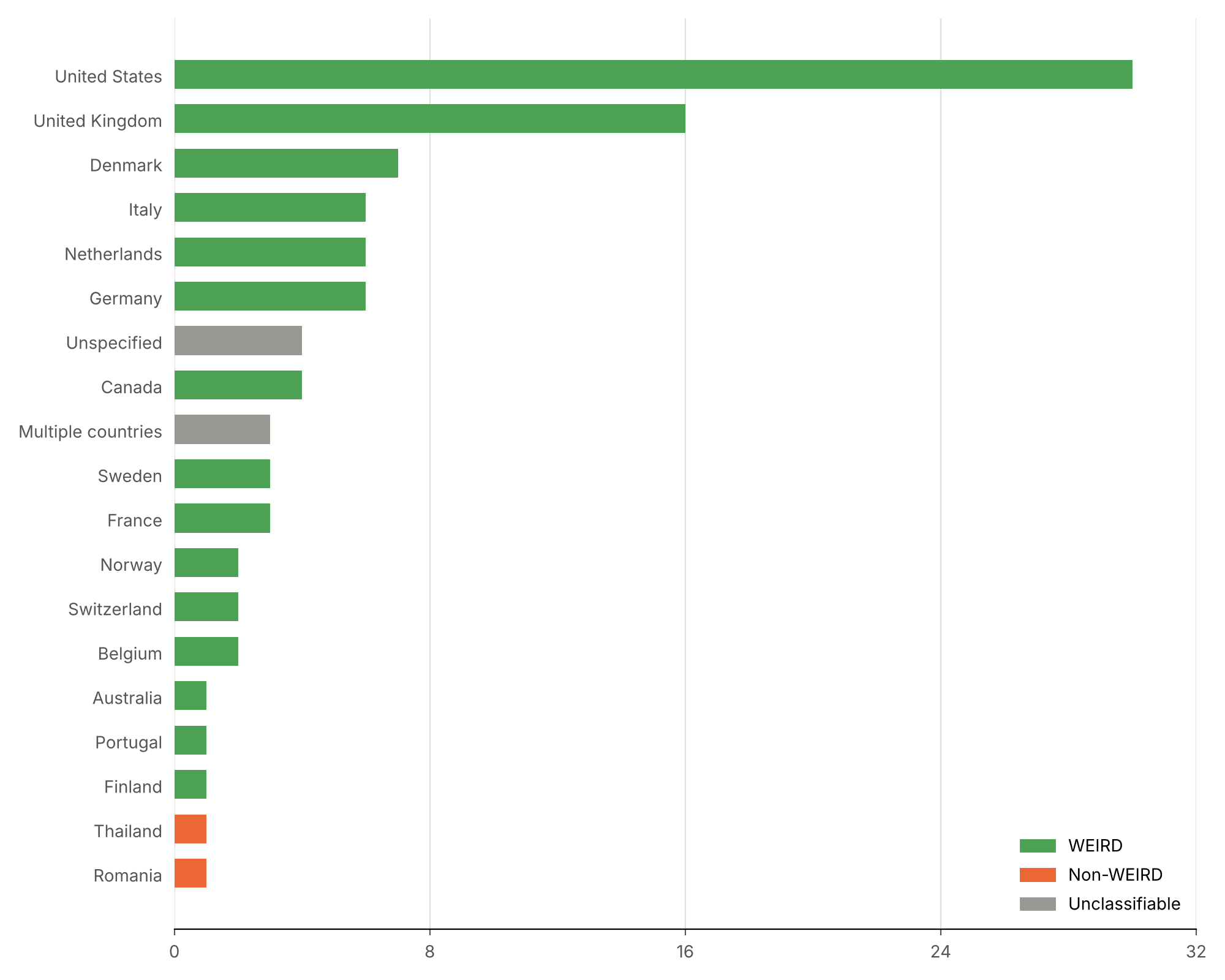
TL;DR: We lack high-quality evidence on what reduces animal product consumption, and I see current academic incentives as part of the reason. Drawing on my experience as a PhD researcher, I describe six ways academic incentives misalign with what animal advocates need:
* 1) research questions follow the literature rather than practitioner decision relevance;
* 2) health- and climate-motivated research leads to disproportional attention to red meat and neglect o...
Recent opportunities to take action
First and third bullets are currently a duplicate
Thank you! Updated.