Quick Take: Probably the best board members will have some significant hesitance to accept. This is one spot where I think EA is sometimes getting things wrong right now, and where I think e.g. a full hiring round for a board is quite misdirected.
Wrote the following in a Slack thread asking about advice for selecting board members:
(I’m familiar with the US and not other places, so some of this may not exactly be right outside the US.)
First of all, your Board has ~complete control over your organization. They can remove the executive, change strategy, etc.. So people who share your vision, who you trust, who have high levels of insight, etc.
Given this immense responsibility, you want people who:
Will take this seriously, learning a lot about the org and its space before making key decisions
Who won’t confuse their role with that of e.g. the CEO (won’t overreach)
The Board / board members should add something to the organization. Often this is less relevant in EA, but in startups people often are interested in particular board members because of their network and connections. In EA, perhaps you can bring on someone particularly excellent in people management if you could use improvement there, financial diligence if you’d like that sort of oversight, or someone with strong strategic vision who you otherwise would get less engagement from.
Combining the above, probably the best board members will have some significant hesitance to accept. This is one spot where I think EA is sometimes getting things wrong right now, and where I think e.g. a full hiring round for board members is quite misdirected. Why is it likely that the best board members will have some hesitance to accept?
They take the responsibility seriously; so they plan to dedicate significant attention / hours to the role.
They have high expertise / are in demand, so they have to be careful about how many commitments they take on.
I expect that if they aren't hesitant to accept, they are often not sufficient in one of the above subbullets (most often in EA from my POV, the relevant one is that they don't place sufficient importance on the role and dedicate too little time to it.)
There’s a lot more I could say about board membership and the important qualities, but hopefully this helps a bit.
When you say a full hiring round is misdirected, what is this compared to? (Maybe pitching the position to individuals the org knows and trusts, and giving them more time to consider it and overcome their hesitations?) I don't have any real experience in hiring so I'm not sure whether I see the drawback being implicitly pointed at here.
Note: This post was crossposted from Planned Obsolescence by the Forum team, with the author's permission. The author may not see or respond to comments on this post.
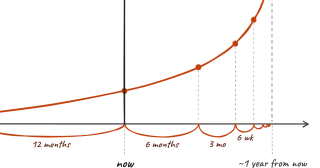
Subtitle: If acceleration compounds, the naive extrapolation implies superintelligence within a year
This post discusses a public METR report on AI R&D acceler...
TL;DR:
* When we started Rethink Priorities (RP) in 2018, our mission was, simply put, to close the knowledge gaps that stopped people from improving the world as much as they could. That hasn’t changed much, but the landscape we’re doing it in is shifting.
* In 2027, we plan to grow our core GHD, Animal Welfare, and Worldview Investigations teams to take on emerging priorities across causes, including those that the forthcoming transformative AI is creating.
...
This was cross-posted from the Animal Charity Evaluators blog.
We update our list of recommendations annually. This year, we announced our recommendations on November 10.
Most people who care about animals arrive at the same impas...
Quick Take: Probably the best board members will have some significant hesitance to accept. This is one spot where I think EA is sometimes getting things wrong right now, and where I think e.g. a full hiring round for a board is quite misdirected.
Wrote the following in a Slack thread asking about advice for selecting board members:
(I’m familiar with the US and not other places, so some of this may not exactly be right outside the US.)
First of all, your Board has ~complete control over your organization. They can remove the executive, change strategy, etc.. So people who share your vision, who you trust, who have high levels of insight, etc.
Given this immense responsibility, you want people who:
The Board / board members should add something to the organization. Often this is less relevant in EA, but in startups people often are interested in particular board members because of their network and connections. In EA, perhaps you can bring on someone particularly excellent in people management if you could use improvement there, financial diligence if you’d like that sort of oversight, or someone with strong strategic vision who you otherwise would get less engagement from.
Combining the above, probably the best board members will have some significant hesitance to accept. This is one spot where I think EA is sometimes getting things wrong right now, and where I think e.g. a full hiring round for board members is quite misdirected. Why is it likely that the best board members will have some hesitance to accept?
I expect that if they aren't hesitant to accept, they are often not sufficient in one of the above subbullets (most often in EA from my POV, the relevant one is that they don't place sufficient importance on the role and dedicate too little time to it.)
There’s a lot more I could say about board membership and the important qualities, but hopefully this helps a bit.
When you say a full hiring round is misdirected, what is this compared to? (Maybe pitching the position to individuals the org knows and trusts, and giving them more time to consider it and overcome their hesitations?) I don't have any real experience in hiring so I'm not sure whether I see the drawback being implicitly pointed at here.