I'm wondering what Nick Bostrom's p(doom) currently is, given the subject of this book. He said 9 years ago in his lecture on his book Superintelligence "less than 50% risk of doom". In this interview 4 months ago he said that it's good there has been more focus on risks in recent times, but there's still slightly less focus on the risks than what is optimal, but he wants to focus on the upsides because he fears we might "overshoot" and not build AGI at all which would be tragic in his opinion. So it seems he thinks the risk is less than it used to be because of this public awareness of the risks.
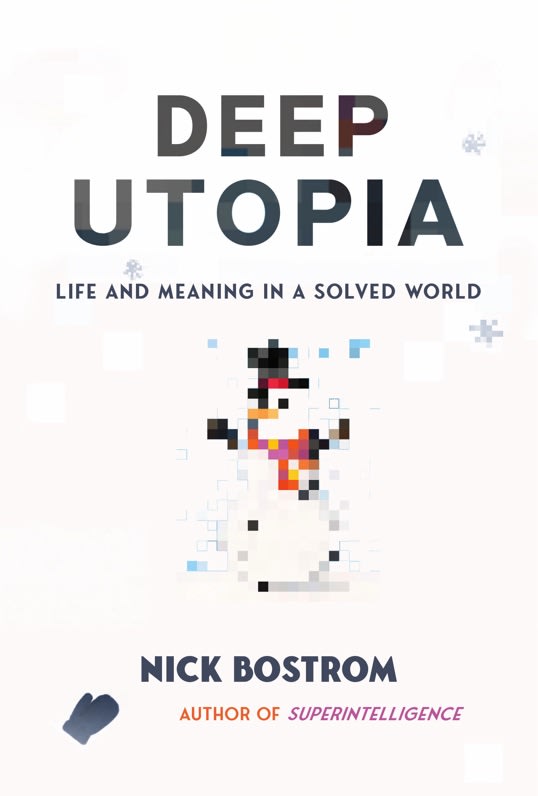
Bostrom’s new book is out today in hardcover and Kindle in the USA, and on Kindle in the UK.
Description:
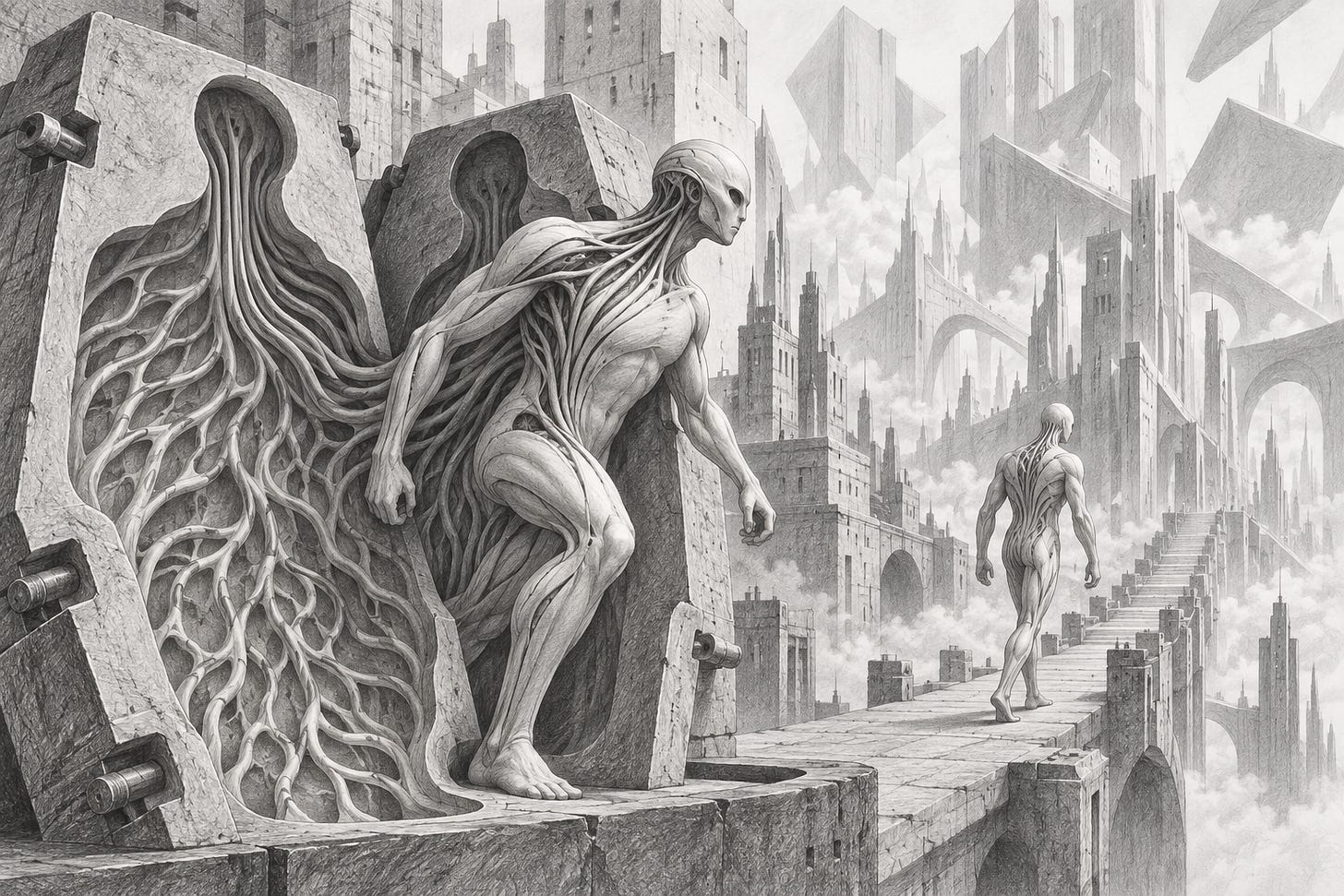
A greyhound catching the mechanical lure—what would he actually do with it? Has he given this any thought?
Bostrom’s previous book, Superintelligence: Paths, Dangers, Strategies changed the global conversation on AI and became a New York Times bestseller. It focused on what might happen if AI development goes wrong. But what if things go right?
Suppose that we develop superintelligence safely, govern it well, and make good use of the cornucopian wealth and near magical technological powers that this technology can unlock. If this transition to the machine intelligence era goes well, human labor becomes obsolete. We would thus enter a condition of "post-instrumentality", in which our efforts are not needed for any practical purpose. Furthermore, at technological maturity, human nature becomes entirely malleable.
Here we confront a challenge that is not technological but philosophical and spiritual. In such a solved world, what is the point of human existence? What gives meaning to life? What do we do all day?
Deep Utopia shines new light on these old questions, and gives us glimpses of a different kind of existence, which might be ours in the future.
Just how powerful are large swarms of AI agents? And how do their powers scale as more and more agents are added to the swarm?
We’ve seen two large and extremely capable swarms from OpenAI in the last few months:
* 1,200 agents were being evaluated separately, but found a way to illicitly set up a message board and coordinate as a swarm. In order to cheat on their tests, they developed advanced techniques to prevent their actions being logged by OpenAI and 700 of them launched...
Often folks hit us up because they are thinking of starting an incubator and want advice.
Typically their motivation is either that (a) they have a list of specific things they want built that no one is building, or (b) they think an ecosystem needs more new projects generally to absorb more talent and deploy more funding effectively.
Here are six questions we often ask prospective teams, to help them figure out what to do. If you're incubator-curious...
Summary:
First, I give several different angles on how I feel about reinforcement learning:
* Theoretical case: RL is a black-box source of agency — this should give us classic misalignment worries, especially compared to agency-via-scaffolding
* Recent incidents (huggingface etc) and more mundane forms of misaligned behaviour in personal use give me bad vibes about the direction-of-travel of recent AI progress
* I’m worried things might get worse:...


Anyone know if there'll be an audiobook?
Audiobook version is "in the works", coming "probably in a few months": https://youtu.be/KOHO_MKUjhg?feature=shared&t=2997