Comments
Curated and popular this week
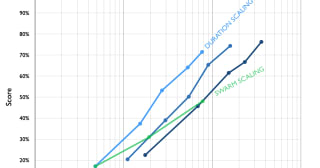
Just how powerful are large swarms of AI agents? And how do their powers scale as more and more agents are added to the swarm?
We’ve seen two large and extremely capable swarms from OpenAI in the last few months:
* 1,200 agents were being evaluated separately, but found a way to illicitly set up a message board and coordinate as a swarm. In order to cheat on their tests, they developed advanced techniques to prevent their actions being logged by OpenAI and 700 of them launched...
49
Often folks hit us up because they are thinking of starting an incubator and want advice.
Typically their motivation is either that (a) they have a list of specific things they want built that no one is building, or (b) they think an ecosystem needs more new projects generally to absorb more talent and deploy more funding effectively.
Here are six questions we often ask prospective teams, to help them figure out what to do. If you're incubator-curious...

41
A century-old pill, given to the right people, could cost-effectively save many lives.
Summary
* Targeting low-cost prevention toward people at elevated risk may uncover highly cost-effective ways to address noncommunicable diseases. Hypertensive disorders in pregnancy could be a test case for this approach.
* ...
No we should not limit development of poor countries because we're worried about them building up their factory farm industries.
There's a lot of moral uncertainty when comparing animal and human welfare, so that utility calculus will almost always be a dead end. Meanwhile what we can be quite certain of is that limiting global development will be really harmful to the people in those developing countries. It would also look very hypocritical for rich countries to turn around and tell poor countries they shouldn't develop because of animal rights and therefore damaging to the relationship between developing countries and development economists.
It's a no from me.