Comments
Special thanks to our interns and volunteers over the past ~year: Ashi Herman, Antonio Azevedo, Aadit Kamat, Tym Syrytczyk, Vasco Grilo, Bourema Diarra, Miko Kniejski, Wagner Almeida e Silva, Isobella Taylor, Shep Riley, and all others who have provided support along the way
Summary
Concentric Policies prevents death and disease in LMICs by reducing the demand for tobacco, alcohol, and sugary drinks. We estimate our Year One cost-effectiveness was 10-13x cash.[1]
- An additional $5,000 - 15,000 will enable us to develop a technical roadmap and administrative regulations for the implementation of higher taxes on tobacco, alcohol, and sugary drinks in Guinea-Bissau.
- With $20,000 - 50,000 in additional funds, we will also be able to support the initial implementation of higher health taxes in Guinea-Bissau, launch an enforcement program to increase tobacco tax compliance in Liberia, and enhance our ability to pass tobacco control policy in both countries successfully.
- Filling our full $100,000 gap through December 2025 would enable robust implementation of higher taxes on all three unhealthy products in Guinea-Bissau, increase tobacco tax compliance in Liberia outside of the capital city, and significantly increase the probability of successfully passing tobacco control legislation in both countries.
We estimate the cost-effectiveness of our ongoing programs is between $18-51 / disability-adjusted life year (DALY) and would collectively prevent almost 20,000 deaths while averting +200,000 disability-adjusted life years (DALYs) combined.
Please reach out to [email protected] for our full fundraising materials and subscribe to our private newsletter for more detailed updates.
- Tax-deductible contributions can be made through our donation page.
About
Concentric Policies is a Charity Entrepreneurship/AIM-incubated charity working on tobacco control, noncommunicable disease policy, and health financing. We help LMICs pass and implement evidence-based policies by engaging government stakeholders, connecting policymakers with technical experts, generating contextually tailored evidence, and mobilizing civil society.
Health Taxes and Tobacco Control
Problem: Each year, tobacco, alcohol, and sugary beverages kill over 10 million people worldwide and incur economic costs of over $4 trillion. 77% of the premature deaths from noncommunicable diseases occur in LMICs.
Solution: Raising health taxes by 50% globally would save an estimated 1.3 million lives and generate $26.2 trillion in revenue over 50 years. The Center for Global Development described tobacco taxation as the single best health policy in the world. Core WHO recommended tobacco control measures have reduced the number of smokers by approximately 300 million over the last 15 years.

Source: WHO, 2017
Focus Countries
Guinea-Bissau
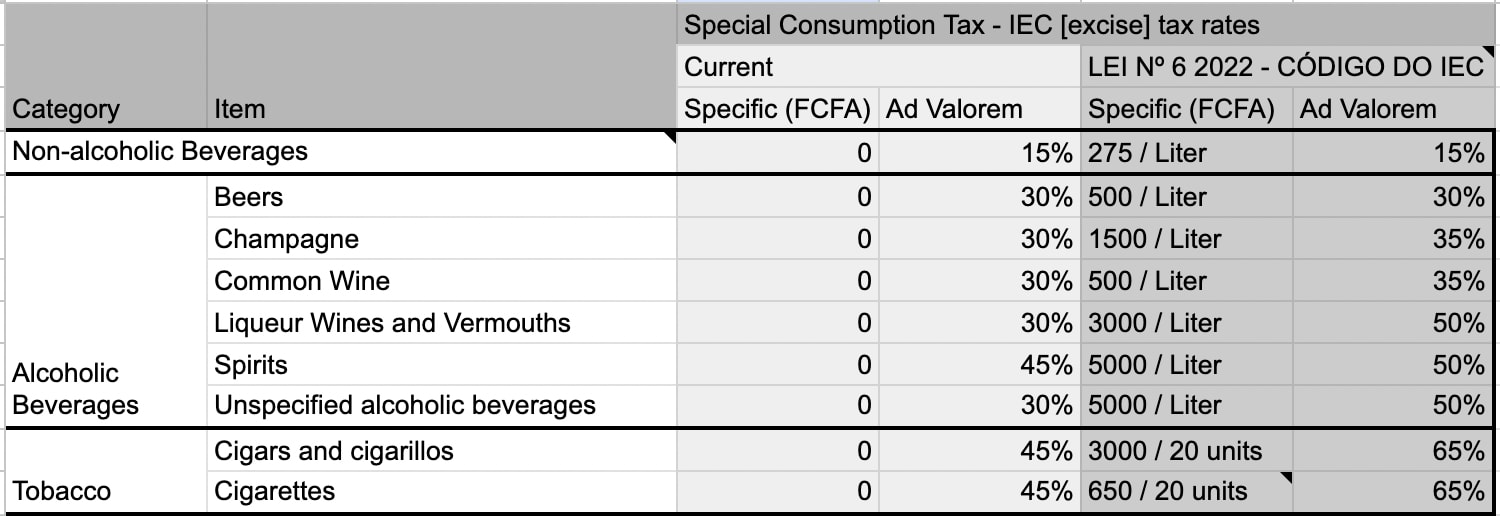
Guinea-Bissau is one of the only countries globally without tobacco control legislation. The government does not have an NCD strategy or a dedicated tobacco control unit. In addition, 2022 legislation with substantial tax increases on tobacco, alcohol, and sugar-sweetened beverages has yet to be implemented. Although the country's budget stipulates that 40% and 60% of the excise tax revenue from these products is dedicated to health and education, respectively, this policy is also not implemented.

Liberia
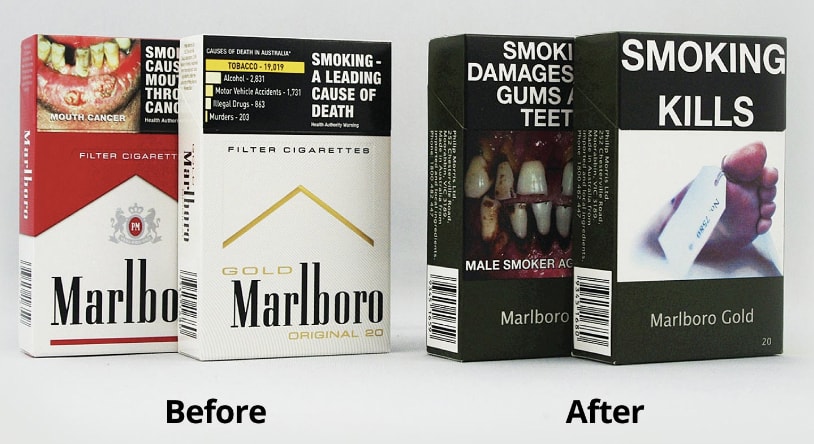
The tax rate on tobacco in Liberia is well below WHO guidelines, and almost none of the country’s tobacco market is paying taxes. The Ministry of Finance and Planning reported only 6,000 USD in excise revenue from tobacco product imports in 2023, down from 158,000 USD in 2022. Excise revenue from tobacco peaked in 2013 at over 3 million USD. While most of Liberia’s non-tax policy gaps are addressed by a pending public health bill, plain packaging, and several minor provisions are missing. While the bill is currently stalled in the Senate, there is now an opportunity to strengthen the tobacco control section of the bill with a comprehensive amendment.
Year One Traction
(~October '23 - September '24)
Y1 Expenditure: ~$80,000 (salaries, travel, fiscal sponsorship fees)
Y1 Staff: 2 co-founders
~Months of FTE spent on Guinea-Bissau: 3.4
~Months of FTE spent on Liberia: 8.1
Outputs
- Halted an executive order in Liberia that would have decreased alcohol and tobacco tax rates.
- We estimate this would have added ~1,869 DALYs to the country’s disease burden, and our work to prevent it had a cost-effectiveness of $42/DALY (10-13x cash).
- Supported Liberia's Ministry of Finance in getting higher alcohol taxes approved by the House of Representatives.
- If enacted, we estimate our contribution would have a cost-effectiveness between $1,000 - 5,000 / DALY. [2]
- Helped Liberia’s Ministry of Finance with modeling and technical writing on leveraging health taxes for revenue in an IMF loan application
Partnerships
- MOUs signed with the Ministries of Health in Liberia & Guinea-Bissau to adopt stronger tobacco and noncommunicable disease policies
- MOU signed with Guinea-Bissau’s Municipal Development Agency for the local promotion of NCD policies
- Secured 2 years of tax modeling assistance from leading WHO economists for Liberia’s Ministry of Finance and Benin’s Ministry of Health
- Formed advocacy coalitions and addressed capacity gaps through 7 MOUs with NGOs, including the largest international alcohol advocacy group
- Letter of Intent from Benin’s Ministry of Health for tobacco taxation advocacy
- MOUs requested by Liberia’s Minister of Finance to reform health tax policy and Guinea-Bissau’s Customs Agency to improve tobacco tax compliance
Year Two Goals
Policy Advocacy
1) Introduce comprehensive tobacco control legislation in Guinea-Bissau — [Potential to] avert 113,467 DALYS / 15 years (EV: ~$18/DALY), ~9,813 lives saved
2) Amend a Senate bill in Liberia with the highest WHO-recommended level of health warnings & plain packaging — Averting 20,660 DALYS / 15 years (EV: ~$48/DALY), ~1,786 lives saved
Tax Administration
1) Implement tax increases in Guinea-Bissau on tobacco products from legislation passed in 2022 — Averting 42,957 DALYS / 10 years (EV: ~$23/DALY), ~7,612 lives saved
Implementing the alcohol taxes could avert an additional ~4,525 DALYS and save ~139 lives over 10 years (9-12x cash)
The Center for Exploratory Altruism Research estimates "the marginal expected
value of advocacy for such sugar-sweetened beverages taxes to control diabetes mellitus type 2 to be 40,596 DALYs per USD 100,000, which is around 60x as cost-effective as giving to a GiveWell top charity."
2) Bring tobacco tax compliance in Liberia to 25% — Averting 19,610 DALYs / 10 yrs (EV: ~$51/DALY), ~1,581 lives saved
--
*note: more detailed cost-effectiveness models may be available on request, and figures listed above may be subject to semi-regular adjustments
Year Two Traction
(~Oct. '24 - mid Nov. '24)
Guinea-Bissau (in-country mission conducted from Oct. 10 - Nov 10)
- Validated Ministerial Dispatch & terms of reference drafts for a Tobacco Control National Coordination Mechanism
- Special Advisor to the President requested to chair the National Coordination Mechanism once it is established
- Joint MOU finalized with Tax and Customs agencies
- The Portuguese embassy committed in principle to covering the salary costs of tax administration experts from the Portuguese Tax Authority
Marginal Funding
Our current budget is constrained to non-essential expenditures for in-country representatives, legislative workshops in Liberia, and creating a National Tobacco Control Coordination Mechanism in Guinea-Bissau.
- With $5,000 - 15,000 in additional funds, we could develop a technical roadmap and administrative regulations for implementing higher taxes on tobacco, alcohol, and sugary drinks in Guinea-Bissau.
- With $20,000 - 50,000 in additional funds, we will also be able to support the initial implementation of higher health taxes in Guinea-Bissau, launch an enforcement program to increase tobacco tax compliance in Liberia, and enhance our ability to pass tobacco control policy in both countries successfully.
Concentric's full funding gap through December 2025 for our policy advocacy and tax administration work in Liberia and Guinea-Bissau is $100,000. This would enable full funding for implementing higher taxes on all three unhealthy products in Guinea-Bissau, increase tobacco tax compliance in Liberia outside of the capital city, and significantly increase the probability of successfully passing tobacco control legislation in both countries.
Program Breakdown
***Note: exact items are subject to change based on a variety of factors***
Policy Advocacy for the addition of Plain Packaging legislation in Liberia
- Legislative workshops for high-level engagement with senators and staffers
- Country representatives and advocacy activities run by local partners to expand and intensify campaigns
Policy Advocacy for Comprehensive Tobacco Control Legislation in Guinea-Bissau
- Biannual/quarterly multi-sectoral workshops for the official convening of a newly established National Coordination Mechanism on Tobacco Control (article 5.2a of the WHO Framework Convention on Tobacco Control)
- Supplemental sessions with technical working groups
- Articles 6, 15, 26 (price and tax measures, illicit trade, and financing mechanisms)
- Article 7 (non-price determinants of demand; e.g. smoke-free public spaces, graphic health warnings, advertising bans)
- Supplemental sessions with technical working groups
- In-country representative and stakeholder engagement activities run by local partners to expand and intensify campaigns
- Project manager to organize events and multi-sectoral meeting logistics
Improving Tax Compliance in Liberia
- Tax administration support
- Joint task force of Liberia Revenue Authority and law enforcement officers for targeted efforts to map the tobacco supply chain, disrupt illicit trade networks, and build a sustainable data monitoring system to track, forecast, and preemptively address non-compliance.
- Line items could include
- Staffing and HR to support additional business inspections in the capital
- Fuel costs to support the physical engagement of the supply chain and enforcement checks
- Capacity building workshop(s) for LRA staff on compliance risk management in the context of illicit tobacco and alcohol products, plain clothes operations, standard operating procedures for border officers
- Consultant, Track & Trace systems and Illicit Trade
Implementing health taxes in Guinea-Bissau
- Experts from the Portuguese Tax Authority
- Compliance risk management training
- Public awareness campaigns on new regulations
- Development of administrative regulations
- Other Tax administration support
- Procurement costs for adopting tax stamps
- Salary/stipend for dedicated focal point(s) at the customs and tax agencies
- per diems and fuel/transportation costs for workshop attendance
- minor technology upgrades
- Public Financial Management (PFM) Consultant to support the design of systems to direct health tax revenue to the health and education sectors
- In-country representative and translator to support stakeholder management
- Project Manager to organize events and multi-sectoral meetings
Please reach out to [email protected] for our full fundraising materials. Donations can be made through our website.
- ^
benchmark for comparing the value of different causes and for deciding whether to fund certain charities. Cash transfers are especially attractive as a benchmark because (1) they are "massively scalable"[2] and (2) their cost-effectiveness can be straightforwardly expressed as a multiplier, given plausible assumptions about the relationship between money and wellbeing. https://forum.effectivealtruism.org/topics/cash-transfers#Cash_transfers_as_a_benchmark
- ^
Effects are modeled for only 2 years because the government plans to replace goods and services tax with Value Added Tax. Attribution is also fairly low due to role of IMF
65