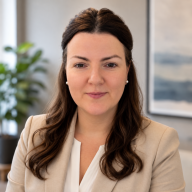
Jelena Damljanovic
Founder and Principal Advisor @ JDO Impact Advisory
I’ve spent 12+ years on the institutional side of development funding: writing, reviewing and managing proposals and partnerships for Global Affairs Canada, USAID, FCDO, the EU, UN agencies and foundations.
I’m newer to EA and drawn to its focus on evidence and cost-effectiveness. I enjoy the philosophical and epistemic questions, but I’m just as interested in the practical side: building systems that actually produce results. My focus is mostly global aid and economic development, and I’m also interested in education and AI governance, especially responsible use of AI in grantmaking and proposal development.
Thank you for doing this. It takes a lot of courage, especially when you’ve been through it yourselves.
I’m not sure if this is useful, but sharing in case it helps: the international development and humanitarian sector went through something similar after the Oxfam sexual exploitation scandal in Haiti came to light in 2018. Donors like FCDO started requiring safeguarding policies, reporting mechanisms and staff training as part of due diligence before funding larger organizations and their local partners.
Here's the link:https://www.gov.uk/guidance/safeguarding-and-protection-from-sexual-exploitation-and-abuse-and-harassment-seah-in-the-aid-sector
When I managed grants and sub-grants at the International Rescue Committee, we had to meet those standards and make sure that our local partners did as well. The system isn’t perfect, but it could be a useful starting point for what funders can realistically require from grantees.
Thank you for writing this so honestly (and beautifully!), even a few years later it’s a great read. I really liked your point about community: that you become like the people around you, but you can choose who those people are. I’m not earning to give, but I donate regularly to girls’ education organizations in West Africa, and most people around me find it a bit unusual. Finding others who take this seriously makes a difference in staying committed.
Sounds like really exciting times for AIM! Beyond the seven roles you’re hiring for now, what kinds of skills and knowledge do you think you’ll need most as you scale, both at AIM and in the charities you’ve launched? For example, as they grow, will they need more people who can handle larger funders, operations and compliance, or something else entirely?
This is a useful list, thanks. Isolation was the one I felt most when I went independent this year. Last month I started a small online circle of independent practitioners, plus a WhatsApp group between calls. Keeping it small makes it manageable, and it already helps with feedback and with feeling connected.
Thanks for this, really helpful way to think about it. The point that the next dollar doesn’t fund the same thing as the last one is a good point.
You asked about how fast causes can absorb money, so I wanted to add something from my own experience managing grants. When an organization suddenly gets a lot more funding, the first problem usually isn’t finding good programs. It’s the operational side: finance, compliance, hiring, managing partners. I’ve seen organizations get their first big grant and then spend months just building the systems to spend it properly. So I’d guess returns sometimes drop in steps rather than smoothly. Is that something your model tries to capture, or is it left to the fund managers’ judgment?
One more thought. In global development, government and multilateral donors give far more than philanthropy does, and when bilateral aid gets cut, philanthropic money ends up filling those gaps. Does the model take changes in public funding into account, or is that outside its scope?
Thanks for sharing this. It’s impressive progress. Working with small mills in Tanzania seems like a smart choice, not only for reach but for sustainability too, and I imagine it wasn’t easy operationally.
On country expansion: I’ve managed donor-funded projects that depended on ministries and municipalities, mostly in the Western Balkans, and more recently on education partnerships with institutions in Africa. My biggest challenge was always keeping support across different levels of government. You build relationships, and then an election, a reshuffle or a period of unrest changes the people in charge and you’re starting over. Has this affected your work as well? If so, what has helped your government partnerships survive those transitions, for example formal agreements, working through technical staff, or industry associations?
On funding: I noticed the FY27 plan assumes around $13M in philanthropic funding. Have you looked at bilateral or multilateral funders with nutrition portfolios as part of the mix? They’re slower and come with heavier compliance, but they can fund at the scale of country expansion. I’d be curious whether you’ve found that route worth it.