TL;DR
* GOAL 3 is a social enterprise that created IMPALA, a patient monitoring and digital platform system for low-resource settings. There is also a GOAL 3 foundation that raises funds to ensure underserved communities will be reached.
* A recently completed report from Rethink Priorities calculated IMPALA to have a cost per DALY averted of $7–17 in paediatr...
This month effective altruism has gotten lots of attention, including a cover story in The Economist. It feels pretty surreal to be on the receiving end of it. But I feel grateful these ideas have caught on, and even more grateful for the drive, earnestness, and compassion of so many people who took strange but well-argued ideas seriously and then actually acted on them....
Impressions from the 21st Annual U.S. Cluster Headache Patient Conference, organized by Clusterbusters.
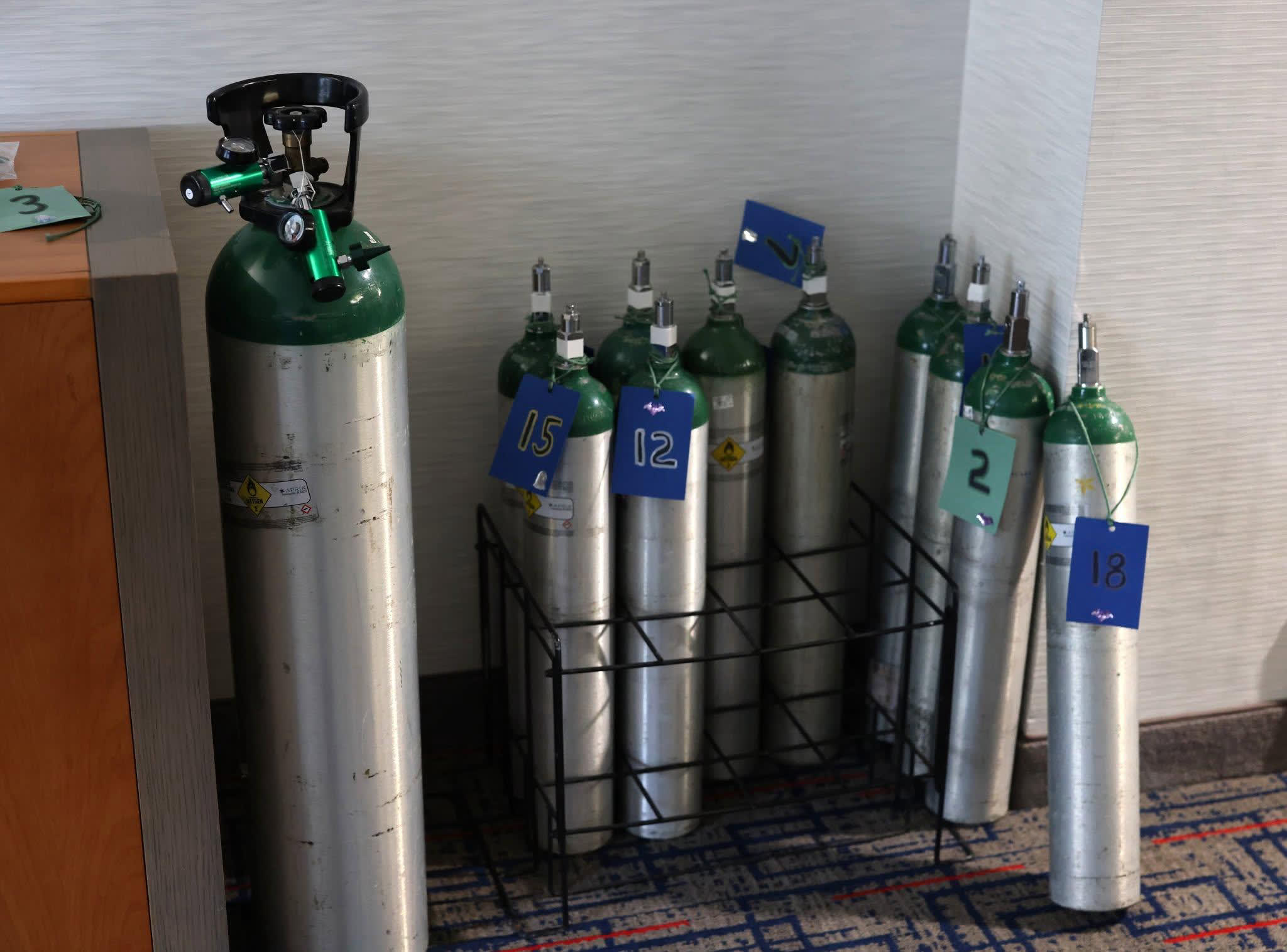
On the morning of the last day of the conference, E. was hanging out with other “clusterheads” outside the conference hotel when he started having a cluster headache attack. Before he could go back to his hotel room, J. offered E. his DMT v...


Some questions I believe need more attention/exploration/investment and would like to work with others on:
This question is already pretty heavily researched by economists. There are some known answers (immigration liberalization would be very good) and some unknowns (how much is the right amount of fiscal stimulus in recessions?). For the most part, I don't think there's much low-hanging fruit in terms of questions that matter a lot but haven't been addressed yet. Global Priorities Institute does some economics research, IMO that's the best source of EA-relevant and neglected questions of this type.
Thanks, Michael. Regarding the economists - yes, I think that is true.
I do, however, believe that we have other angles/perspectives/specializations that are less considered but might be valuable to consult. Essentially - subject matter experts are, understandably, highly influential in shaping these conversations, but their voices may be disproportionately valued. My next note asks questions in this vein.
Do you mean Buddhism as a religious practice, or more of a secular buddhism? I see a lot of overlaps between secular Buddhism and stoicism (stoicism as described by Massimo Pigliucci, not stoicism in the sense of feels no emotions).
I'd be happy to bounce ideas around with you about Buddhism and EA.