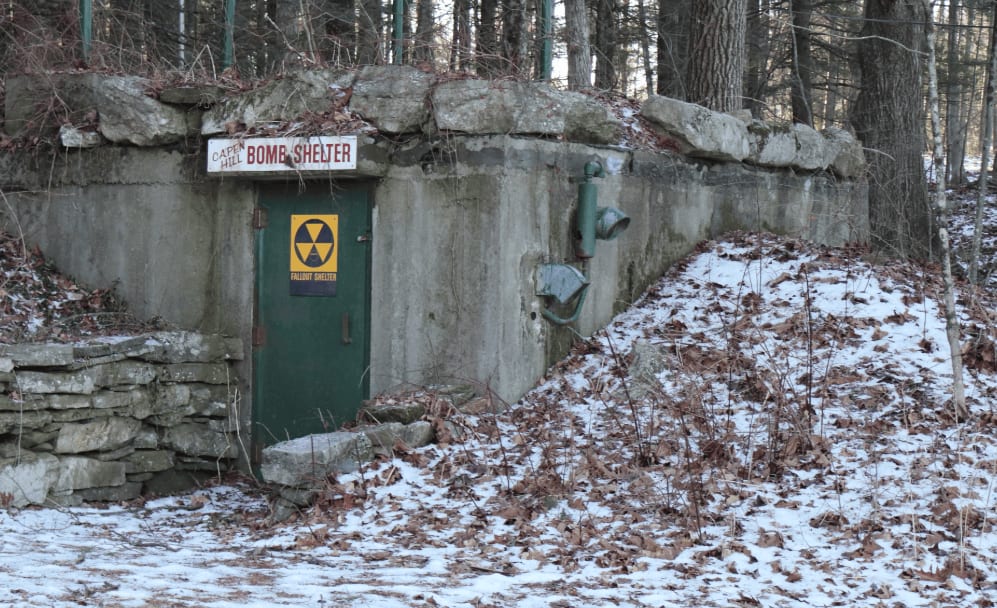
I was born at the end of the cold war, unaware of the danger we were emerging from. Duck and cover drills (as if those could protect schoolchildren from a nuclear blast) were a curiosity of the past.
The farmer-poet Wendell Berry, who wrote about the dread of nuclear war, died recently. From his 1968 “The peace of wild things”:
When despair for the world grows in me
and I wake in the night at the least...
Summary
Over the course of a year, the Fieldshaper program develops you into a field-leading grantmaker. You’ll steward $1,000,000 in grant capital, receive a $125,000 annual stipend, and deploy that capital within a sub-field of one of three key areas (farmed animals, global health, or philanthropic infrastructure); building the track record to become a grantmaker who can shape a field.
Role Details
* Title: Grantmak...

Cases where the scientific knowledge was actually lost and then rediscovered much later provide especially strong evidence w.r.t. the discovery counterfactuals. E.g. Hero's eolipile or al-Kindi's development of relative frequency analysis for decoding messages. Probably there are far more cases of this than we realize, because the evidence that someone somewhere once had the knowledge and then lost it has itself been lost; e.g. we could easily have just never rediscovered the Antikythera mechanism.
I was a bit confused here. Do you mean the rediscovery provides evidence that the idea was ahead of its time, especially when the rediscovery was much later, because we have an actual counterfactual?