Comments
Okay, fine, a couple of caveats:
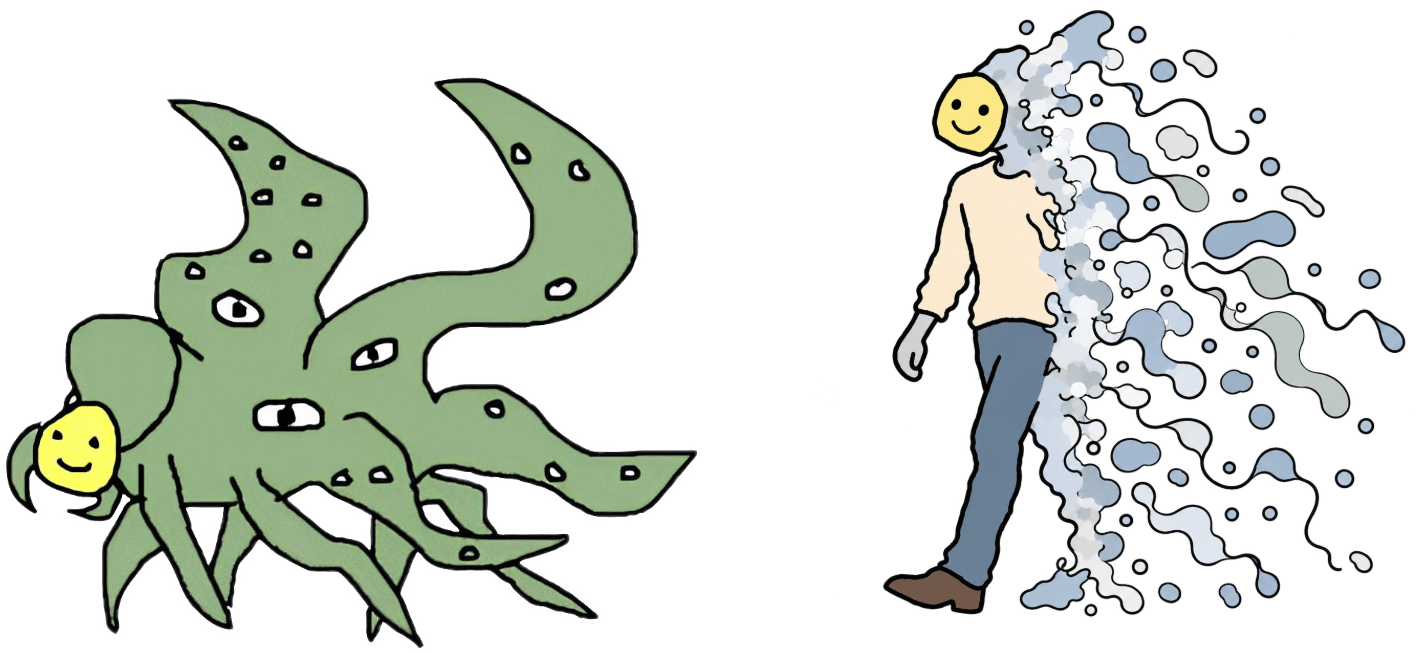
Distrust complicated stories that don't have much simpler versions that also make sense, unless they're pinned down very precisely by the evidence. When two sides of a yes-no question both complain the other side is committing this sin, you now have a serious challenge to your epistemology and you may need to sit down and think about it.
Distrust complicated designs unless you can calculate very precisely how they'll work or they've been validated by a lot of testing on exactly the same problem distribution you're drawing from.

Not sure I agree, but then again, there's no clear nailed-down target to disagree with :p
For particular people's behaviour in a social environment, there's a high prior that the true explanation is complex. That doesn't nail down which complex story we should update towards, so there's still more probability mass in any individual simpler story than in individual complex stories. But what it does mean is that if someone gives you a complex story, you shouldn't be surprised that the story is complex and therefore reduce your trust in them--at least not by much.
(Actually, I guess sometimes, if someone gives you a simple story, and the prior on complex true stories is really high, you should distrust them more. )
To be clear, if someone has a complex story for why they did what they did, you can penalise that particular story for its complexity, but you should already be expecting whatever story they produce to be complex. In other words, if your prior distribution over how complex their story will be is nearly equal to your posterior distribution (the complexity of their story roughly fits your expectations), then however much you think complexity should update your trust in people, you should already have been distrusting them approximately that much based on your prior. Conservation of expected evidence!