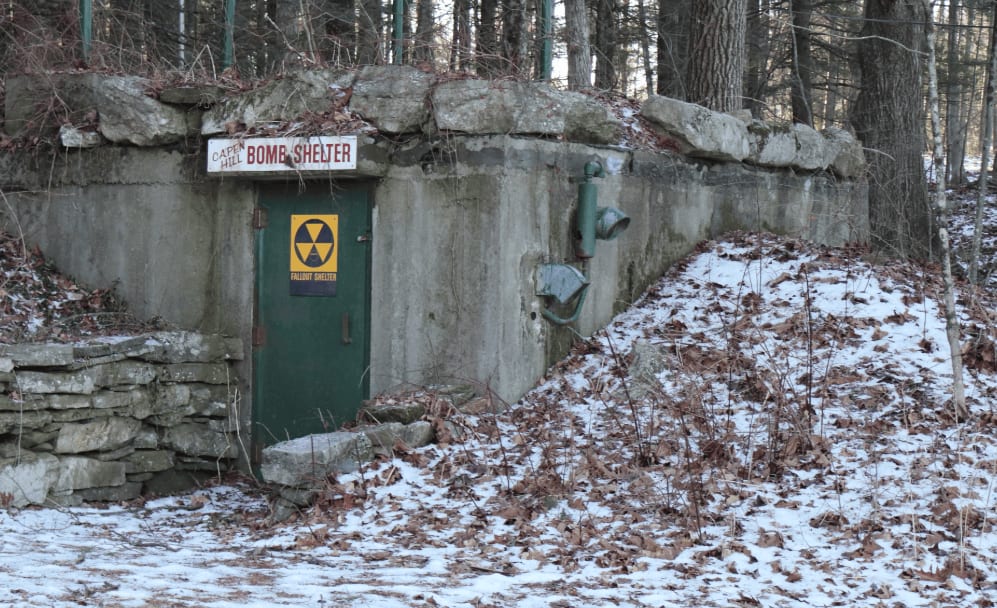
I was born at the end of the cold war, unaware of the danger we were emerging from. Duck and cover drills (as if those could protect schoolchildren from a nuclear blast) were a curiosity of the past.
The farmer-poet Wendell Berry, who wrote about the dread of nuclear war, died recently. From his 1968 “The peace of wild things”:
When despair for the world grows in me
and I wake in the night at the least...
Summary
Over the course of a year, the Fieldshaper program develops you into a field-leading grantmaker. You’ll steward $1,000,000 in grant capital, receive a $125,000 annual stipend, and deploy that capital within a sub-field of one of three key areas (farmed animals, global health, or philanthropic infrastructure); building the track record to become a grantmaker who can shape a field.
Role Details
* Title: Grantmak...

The US democracy may be at risk. It is only "our democracy" for 4.25% of the world's population.
(Apologies for focusing on a single word of your post, but I think this seemingly trivial semantic difference reflects a more substantive and widespread issue. How many concerned posts about the political situation in, say, India have you seen in the Forum recently? How many "action items" for protecting democracy in, say, Brazil have you encountered? It is depressing and, yes, irritating to see a community that supposedly values all people equally concentrate their attention so overwhelmingly on a single country when it comes to politics and "current affairs".)
I agree. Just as the EA movement has been pushing against the bias towards philanthropy in rich countries, so we should also try to resist the urge to pay attention only to political crises in rich countries like the United States.
Though surely you both would also agree that the stability of the democracy in the United States is much more valuable both in the short and long term, compared to say Brazil's or India's, no? I don't know what a reasonable allocation of attention is, but the headcount seems to be just one of many factors, e.g. along things like contribution to scientific and technological innovation, wealth creation, military power, political influence, cultural influence, and ethical and human rights standards.
Of course in general US politics seem much less neglected. But then again, there are also comparative advantages because so many EAs are US citizens and consequently have more knowledge of and influence over that system. And the non-EAs who pay attention to US politics do not necessarily have the same goals as EAs (making their tribe win vs. averting instability).
(Status: unsure) Preserving democracy in the United States is more valuable insofar as the world perceives the U.S. as the "leader" or "guarantor" of the liberal world order, particularly global democracy. But I don't think this outweighs the importance of democracy in the rest of the world, especially large democracies like India.
I think EAs' comparative advantages in promoting democracy in our own countries is the more important factor here.
Luke Muehlhauser mentions another argument that we didn’t mention yet: who would replace the US in its global leadership roles? China seems most likely to me, given economic and military growth, and also seemingly much worse in terms of human rights standards.
http://lukemuehlhauser.com/one-billion-americans/