Comments
More from the author
Curated and popular this week
66
TLDR: Everyone’s talking about what the money could do, but few about how to decide where it goes.
This post is part of the new series of articles on cross-cause giving and the new wave of philanthropy. Stay tuned to the EA Forum and our Substack for the latest takes on topics such as giving now vs. later, common pitfalls in cause prioritization, and other crucial considerations from the Cross-Cause Fund (CCF) team...

51
...

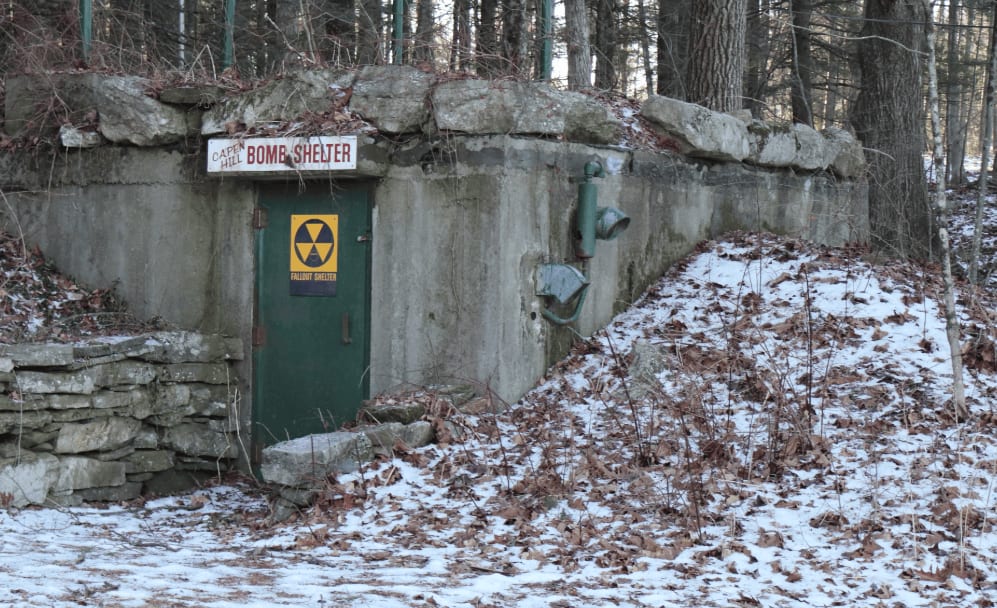
I was born at the end of the cold war, unaware of the danger we were emerging from. Duck and cover drills (as if those could protect schoolchildren from a nuclear blast) were a curiosity of the past.
The farmer-poet Wendell Berry, who wrote about the dread of nuclear war, died recently. From his 1968 “The peace of wild things”:
When despair for the world grows in me
and I wake in the night at the least...
Recent opportunities to take action
Very interesting! Thanks for sharing; I'd likely never have seen this otherwise.
I see that the author gave away $40,000 in total to 26 people out of four thousand applicants. The EV of creating an application was ten dollars. I don't know how in-depth that process was, but I wonder whether this kind of process risks eating up more value in time than it provides through actual funding? Should the author have tried to provide more warnings to discourage applicants who weren't likely to succeed?
(Of course, every applicant was a volunteer who chose to do this work, but I still think we sometimes undervalue the importance of "microtime", the small units of time that eat into our days when we burn them on things like paperwork.)