Comments
To fight back on that, I would first start to question wether those statements are completely out of the frame or not. There is a bit of truth evidently because EA does not hold the ultimate answer, simply by acknowledging the fact that every opinion exists and won't stick with the neighbor one.
I think we start to define an opinion as weird if it doesn't take, or seems to be taking into account everything (else said, it does not provide by itself the answer to any question). We might find ourselves against something having fully understood its concept, but also when we can't adhere to something we can't fully encircle. which in my opinion is the case for EA. The philosophy is too young to not dive into possible paradox, argument gaps, things like that, you know. And because it does not have the simple, omniscient and superior answer that a religion can have, there is no reason to start to believe in any of this.
In general, I would consider extremely sketchy to define such a large idea as, well, the ideal. It is stating boldly that what you think should be done is the very best version, and with a little nuage of nuance, at least with the negative effects being at an infimum, of what humanity can achieve, having taken EVERYTHING into account. So when supporting obiously a conviction that isn't perfect, people will of course point the weakest part of the dialogue. EA might work in a specific era, with a certain kind of people, and (probably) with -very?- limited effects. I guess it will change as soon as something, inside the description of this movement, answers to interrogations we (I) cannot even formulate in the first place but are fundamental. Then some would start to take it seriously. If not, this version of EA simply can't get understood by a sufficient amount of people.


I dunno, but I feel like... I dispute your framing? Like, the stereotype is real, and EAs are, on average, weird under most definitions of the term. Some of the weirdness is WEIRDness, so it approximates, even if taken to the limit, standard Western liberal views and beliefs. But most normal people will react with 'this gives culty, weird vibes' to a lot of EA beliefs and practices. There's no helping this or covering it up. One can try to shift the Overton Window in that direction, for example, and yes, one can try to make a more savvy use of the media. But one must choose one's weirdness points wisely.
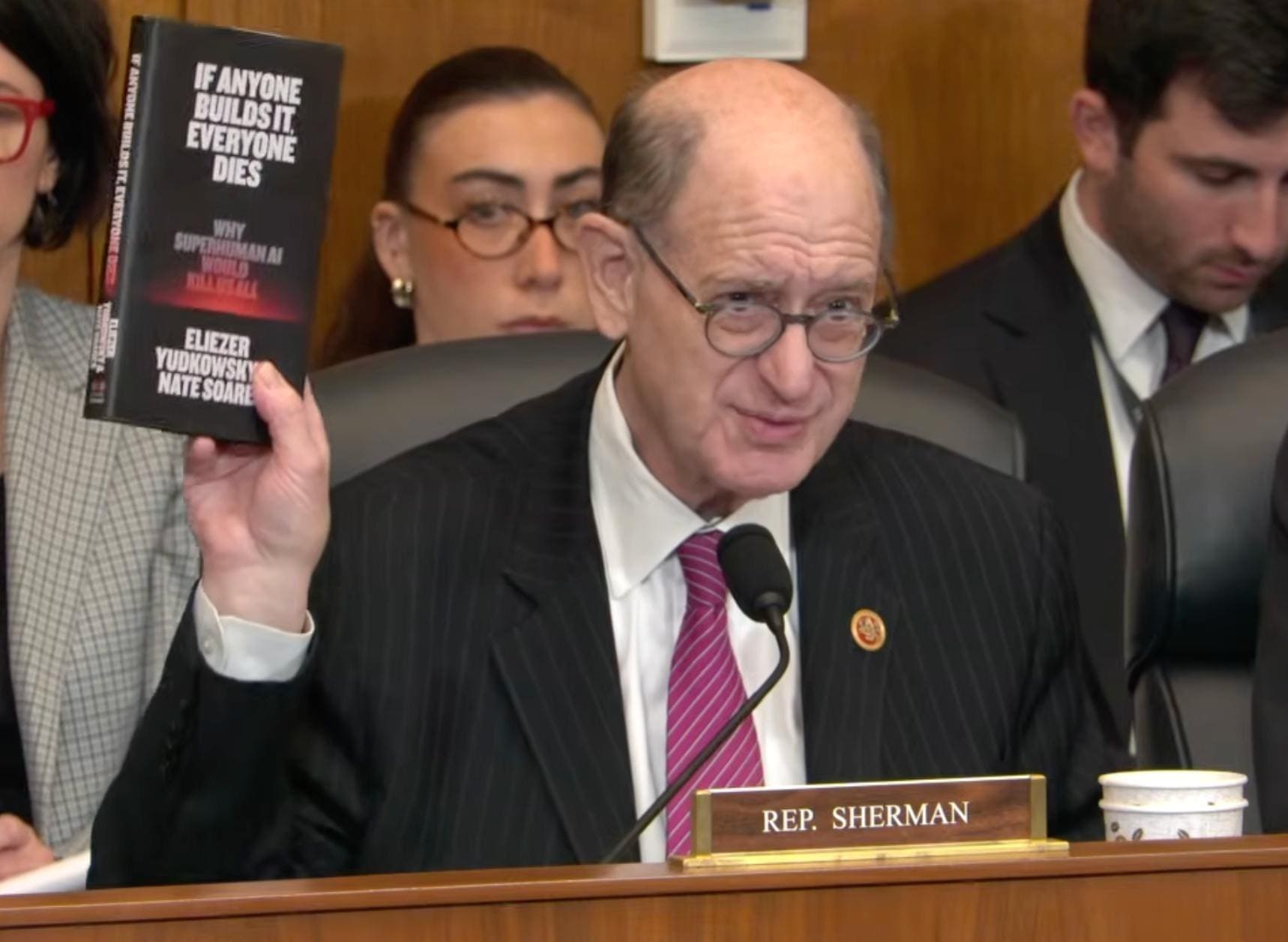
I think worries about AI are percolating more widely into mainstream society, even if you get pieces like this from time to time.
My problem is that it seems like ALL the coverage that EA's get is like this.
I do take your point that EA's may seem weird, but most of the EA's I know are mostly weird in a good way - more caring, more focused on helping, more concerned with the victims, ... - but we allow all this to be overshadowed by the perceived weirdness of using logic and data to help people more, or by stereotypes based on more controversial ideas like longtermism taken to its logical extreme.
And I'm not worried about its effect on our delicate egos .. I'm worried by how this limits our potential to impact the vital debates of our time. It frustrates me that EA arguments can be dismissed by ad hominem arguments. This article basically says :`"we can ignore those concerns, they only come from those weird EA's."