Comments
I think having some non-EA housemates would lead to talking about EA *more* because you'd have to give more context and field more questions on what you've been up to. I find EA-like topics come up relatively rarely in my all-rat house.
I think having some non-EA housemates would lead to talking about EA *more* because you'd have to give more context and field more questions on what you've been up to. I find EA-like topics come up relatively rarely in my all-rat house.
Honestly I don't know why most people doesn't make more effort to live with their friends and other people they deeply respect. We naturally spend much of our time with our housemates, yet so many people live alone or with randoms. When I ask people why, often its just because they didn't plan or put in the effort, rather than an intentional decision not to. My 3 years living in an intentional community were life-changing and I regretted not living like that earlier. We were pretty hardcore at your level 4.
People sometimes fear losing friendships or messing up relationships by living with their friends, but I think this is misplaced. Two people I lived with found me really hard to live with (I loved living with them :D) but despite that I would say living with them only strengthened our friendship after we stopped living together. Also what kind of friendship can't sustain living together for a year? It's not like you're committing to marriage
Thanks so much for this post, I think you've captured the important points super well and this is an underappreciated awesome thing to do!
Hello! good guide, and i'll +1 on supernuclear
I just started an EA group house in philadelphia and I agree it's easier than people think
like weekly house meetings or monthly brunch
Hoping you accidently mixed up the frequency of these two events
Hello Jen. Nice post. Where could one look for opportunities to live with impact- or rationality-focussed people in San Francisco? I know there is the Facebook group Bay Area EA/Rationality Housing Board.
+1 that a great co-living space can be a huge quality of life improvement! My day-to-day sense of happiness and belonging in SF increased enormously once I moved into a place with friends.
One other meaningful benefit of coordinating a housing group (at least in California) is that you can freeze your starting rent rate. E.g., a four-bedroom unit in the building I lived in was listing at $6,500/month in 2022 when friends and I moved in. A group moved in, then vacated last year. The landlord then successfully re-listed the same unit at $9k/month (a 38% increase). Meanwhile the rent in our unit has only increased by ~2% over the last four years because CA rent protections only allow a landlord to increase rent by a modest, state-set annual cost-of-living/inflation rate.
Had that 4-bedroom been able to Theseus’ ship the move-out transition -- changing the names on the lease to other friends/EAs gradually without fully vacating -- they would be able to save $28,440 ($7,110 per resident) per year in perpetuity.
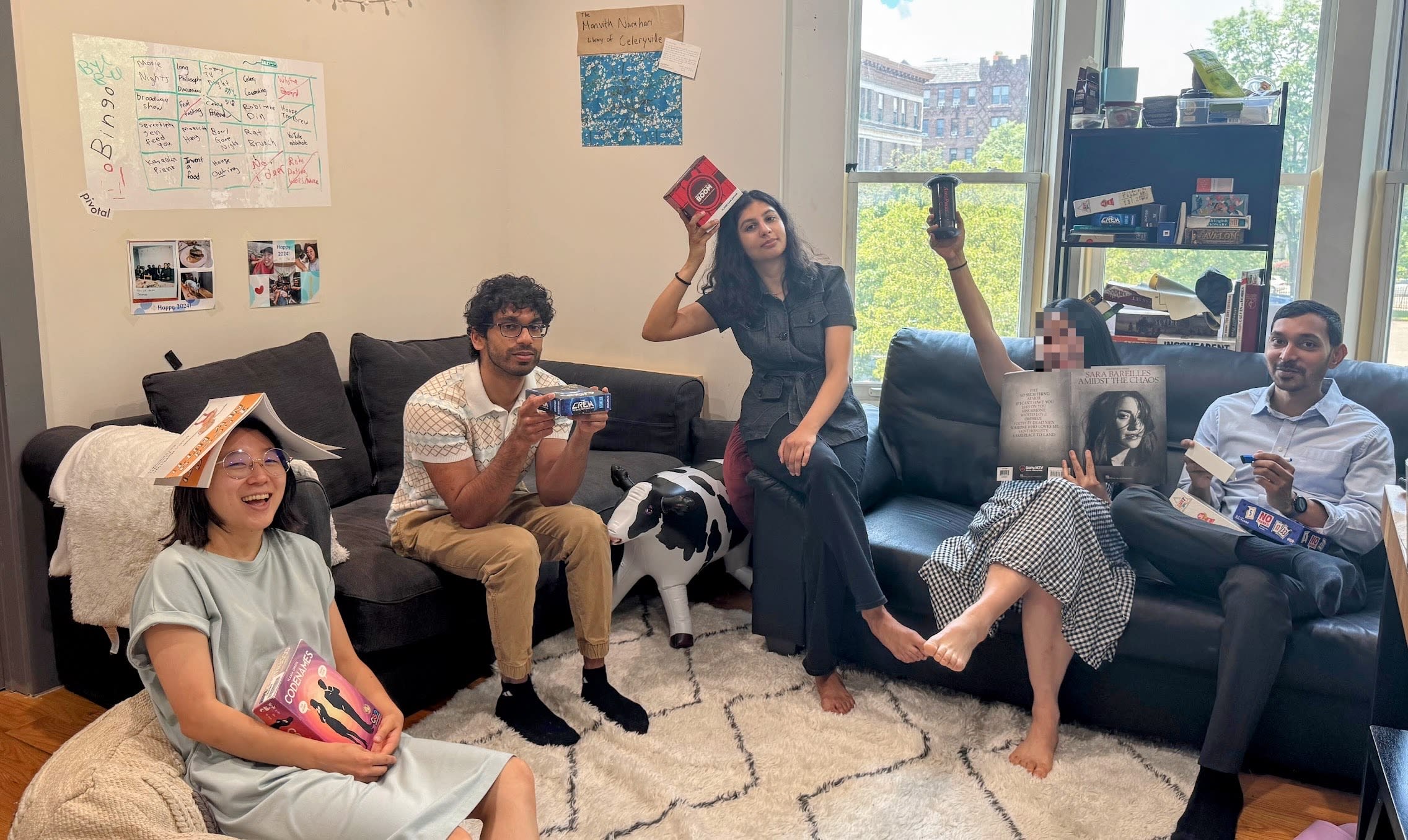
I started 2 EA(ish) group houses now, so I figured there's an opportunity to share my experience and how you too can start one!
There's a whole substack dedicated to community living, so I'll stick to the EA lens of it.
Note: My experiences are based in NYC and SF, which have a nice flow of travelers & concentration of like-minded folks. I also lived in ~4 group houses/communities prior to starting my own.
Well, there’s a few levels.
Baseline: Cohabiting
Level 1: Friendly
Level 2: Spending Time
Level 3: Intentionality
Level 4: Schelling Point Hub
Lazy people
Remote workers
New to a city
You like hosting, organizing events, and cooking for people
You have a pet

I will add: Have a very clear contract between the founding members of the house about who pays rent to the landlord (every tenant directly, or one tenant who is paid by other tenants), subletting rules, who is responsible for finding the sublets or successors for their own bedrooms when they leave, and especially:
whether founders remain responsible for finding successors for their own bedrooms after the mandatory lease period with the landlord is over (adding emphasis here!), or whether the founder (or founders) who stays longest is responsible for maintaining the finances and existence of the group house on their own
Ideally, have this contract notarized. But definitely don't have a verbal agreement on it, and definitely don't make assumptions about what it means to have a joint intention to keep the house going into the future.