Comments

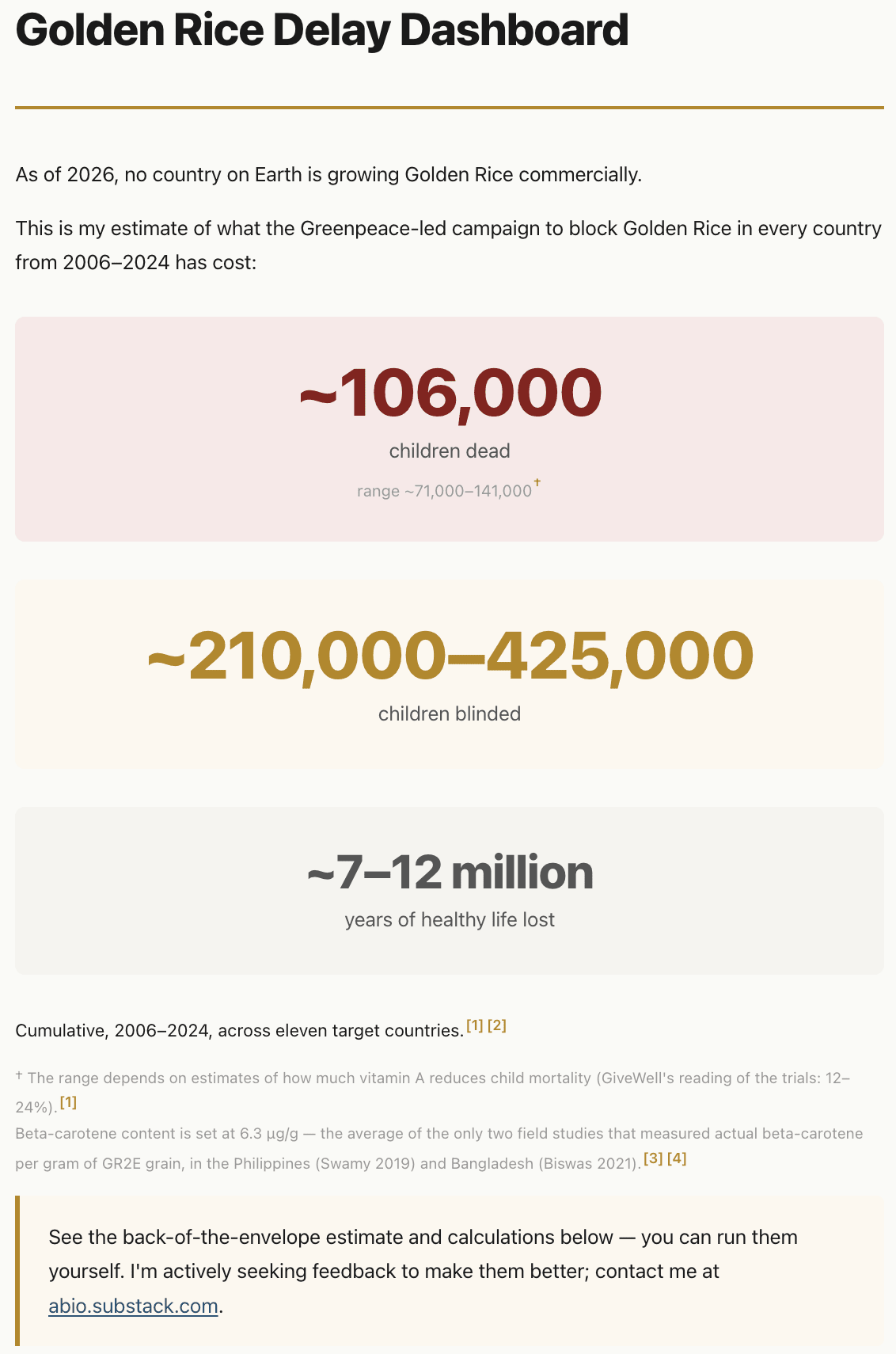
Abi Olvera's Golden rice delay dashboard, includes BOTEC calculations and sources, supplement to her Substack article A blocked GMO rice could have saved 100,000 children. The same tech makes pineapples pink:
Every year, vitamin A deficiency blinds 250,000 to 500,000 children. Half of them die within a year of losing their sight.
One third of children worldwide are deficient, roughly half of children in sub-Saharan Africa and Southeast Asia1. Deficiency weakens the immune system, so children are more likely to die from common infections like diarrhea or measles.
Rich countries solved this kind of problem by adding nutrients to staple foods. The United States adds iodine to most salt, and folic acid to flour to prevent birth defects.
Rice is a critical staple among the world’s poor, so scientists improved rice. They added beta-carotene, the thing that makes carrots orange and that the body turns into vitamin A. The new rice cooks and tastes the same, but it’s yellow. They called it Golden Rice and licensed it for free to any farmer earning under $10,000 a year.
It has been ready since the mid-2000s. Today it grows nowhere.
The reason is that it is a GMO. Environmental groups, led by Greenpeace, fought it in country after country for two decades.
As far as I can tell, no one has calculated the cost of that delay. I’ve spent the last few weeks doing so. My rough estimate is that the delay has killed about 106,000 children and left another 210,000 to 425,000 blind.2 Measured in healthy years of life lost, that is somewhere between 7 and 12 million.3 (My full calculations are here. I will update these figures as I receive feedback.)
That works out to roughly fourteen children dying every single day, for twenty years, from a nutrient we already know how to add to food. ...
Most GMO crops are changed in how they grow, so the part you eat is ordinary. In Golden Rice, the part you eat is the part that changed. That made it feel new.
Greenpeace framed it as dangerous, saying corporations were secretly behind it. They falsely claimed it was unproven and that it was unclear whether children could absorb the vitamin. Activists tore up test fields and filed lawsuits to block approval. Over a hundred Nobel laureates signed a letter asking Greenpeace to stop.
While Golden Rice sat blocked, other new GMO foods reached store shelves. One of them is a pink pineapple. It sells for about $10 in stores and up to $50 online. It uses the same chemistry as Golden Rice, run in the opposite direction. Golden Rice turns on the pathway that makes the vitamin children need. The pineapple turns it off, so the fruit stays a pretty pink.
The lifesaving technology is in the Western world, growing a nicer pineapple for parties.




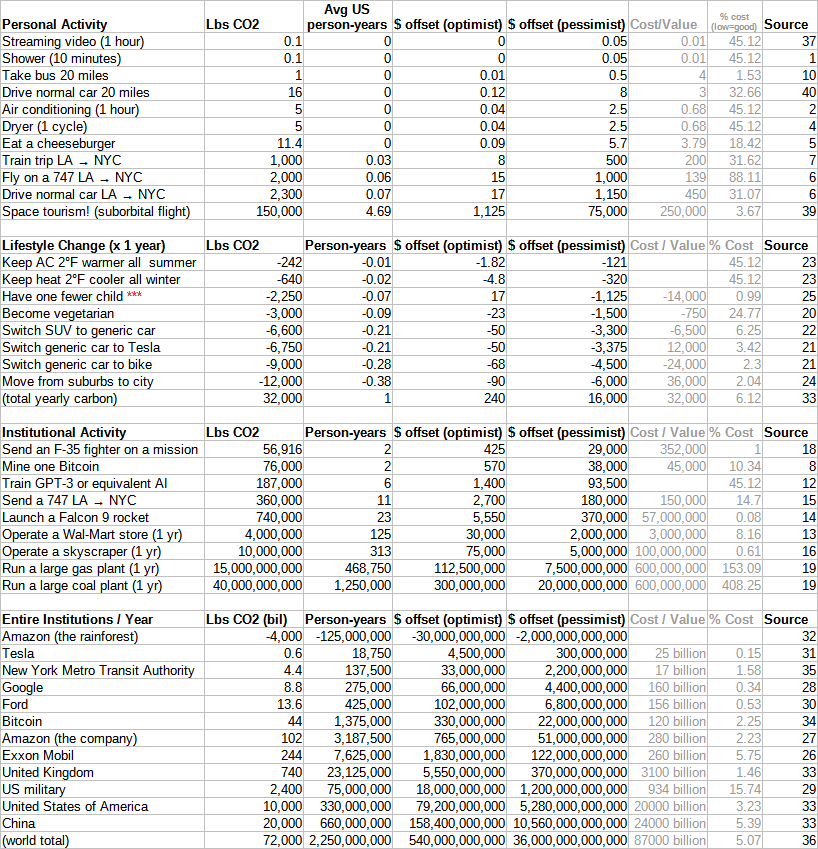


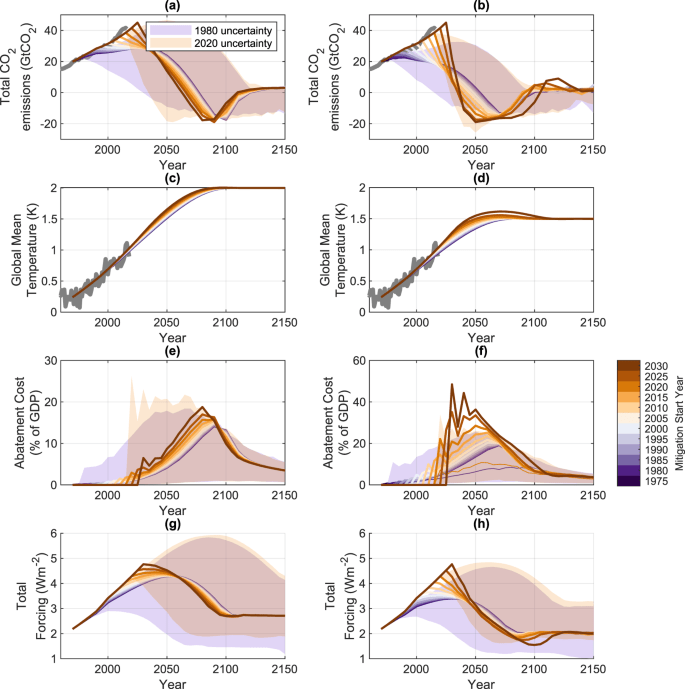
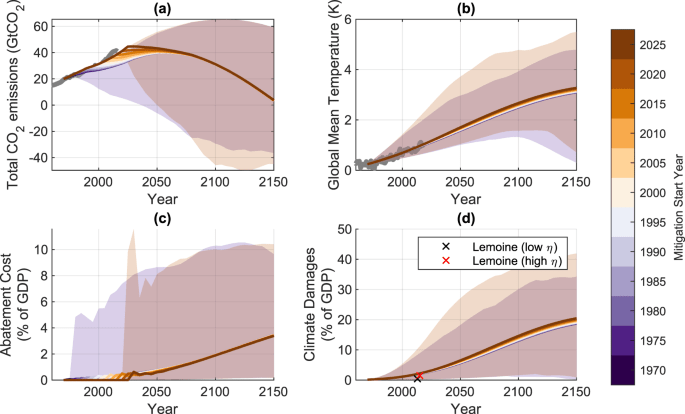

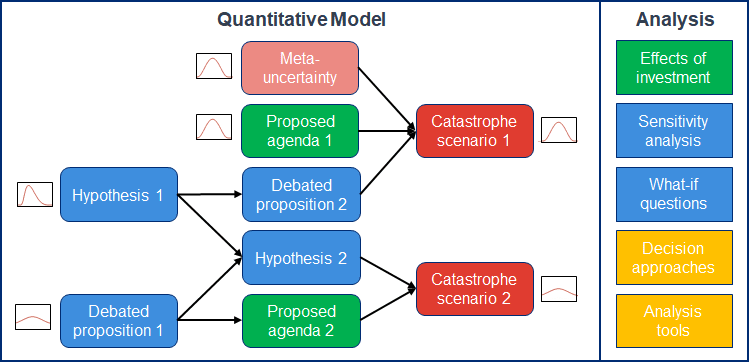
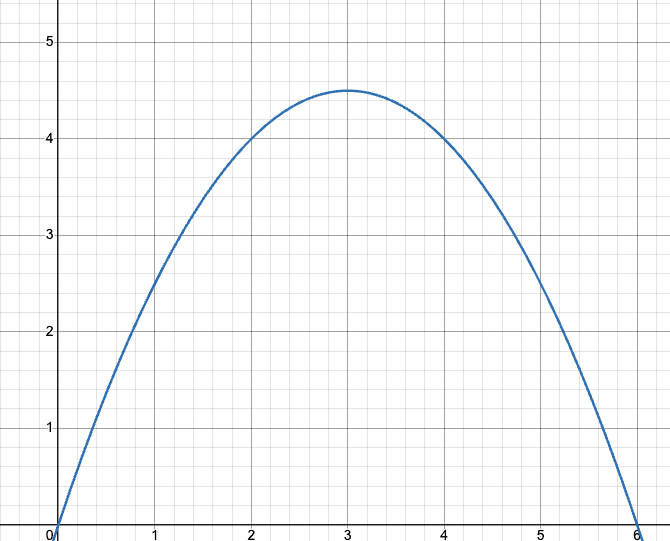
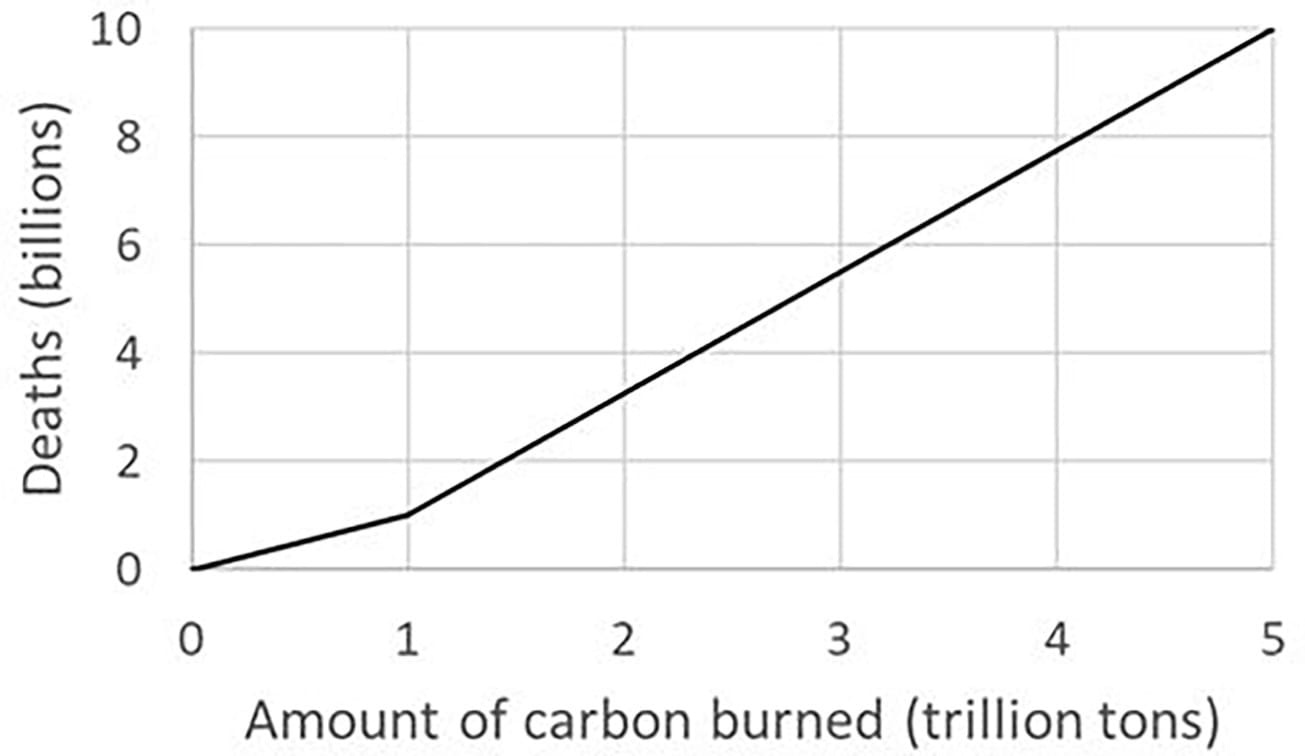 Modelling the rise in global mean surface temperature (GMST) as a function of carbon burned is already very hard; Parncutt doesn't try to model premature deaths as a function of GMST but just makes a semi-quantitative order-of-magnitude estimation anchored extensively at the lower and upper ends to various catastrophic outcomes discussed in the literature on climate change, and assumes a lognormal distribution around a billion future deaths with a 10x range for worst-vs-best case scenario, which over time looks 'very approximately' like this: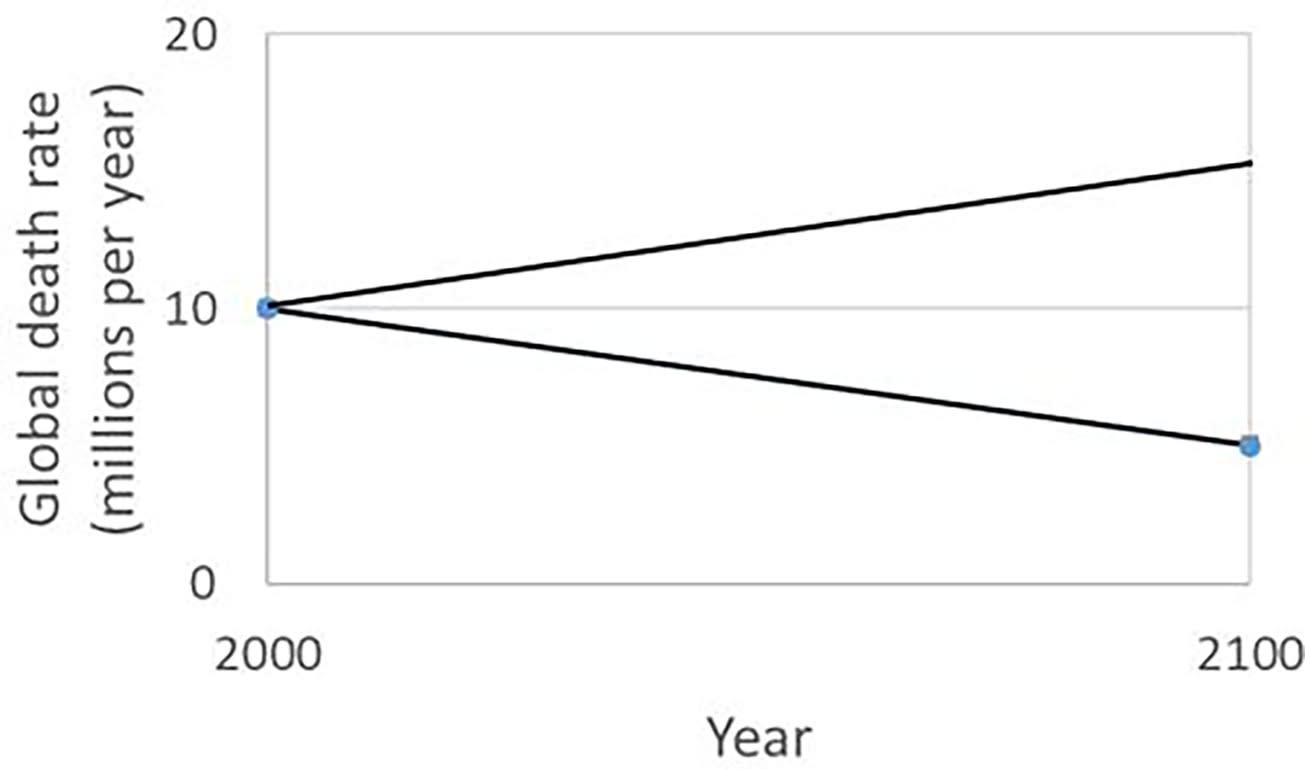

The Frontier in 2025 (data), by Gavin Leech, Lauren Gilbert, and Ulkar Aghayeva, rated 202 of the biggest breakthroughs of last year. Some favorites, mainly public health- and society-related:
Why they did this:
2. Murder rates is an even bigger drop because that UN data is from 2023 (and older for most countries), whereas there have been big homicide rate declines around the world over the last 2-3 years.
Thanks, that's useful to know and positively optimism-inducing.