Comments

When I try to think about how much better the world could be, it helps me to sometimes pay attention to the less obvious ways that my life is (much) better than it would have been, had I been born in basically any other time (even if I was born among the elite!).
So I wanted to make a quick list of some “inconspicuous miracles” of my world. This isn’t meant to be remotely exhaustive, and is just what I thought of as I was writing this up. The order is arbitrary.
1. Washing machines
It’s amazing that I can just put dirty clothing (or dishes, etc.) into a machine that handles most of the work for me. (I’ve never had to regularly hand-wash clothing, but from what I can tell, it is physically very hard, and took a lot of time. I have sometimes not had a dishwasher, and really notice the lack whenever I do; my back tends to start hurting pretty quickly when I’m handwashing dishes, and it’s easier to start getting annoyed at people who share the space.)
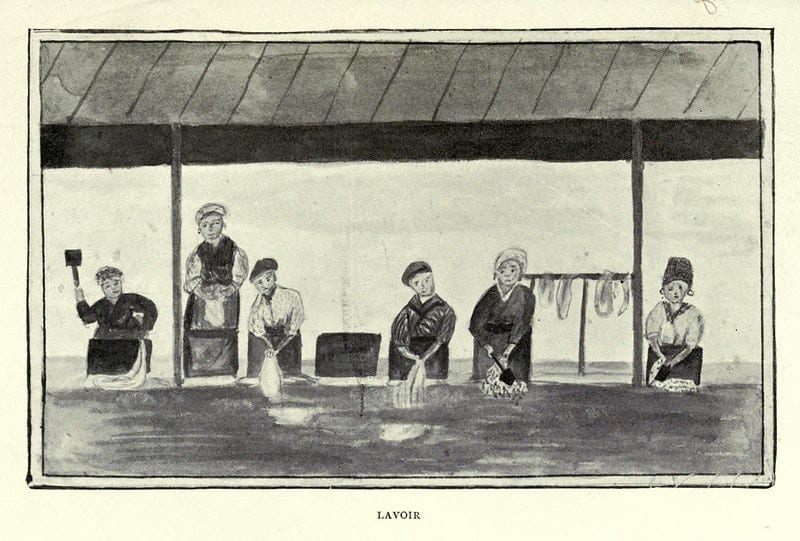
Source: Illustrations from a Teenage Holiday Journal (1821). See also.
2. Music (and other media!)
Just by putting on headphones, I get better music performances than most royalty could ever hope to see in their courts. (The first recording was made in the 19th century. Before that — and also widespread access to radios — few people would get access to performances by “professional” musicians, maybe besides church or other gatherings. (Although I kind of expect many people were somewhat better at singing than most are today.)) (A somewhat silly intuition pump: apparently Franz Liszt inspired a mania. But most 19th century concert attendees wouldn’t be hearing him more than once or maybe a handful of times! So imagine listening to a piece that rocks your world, and then only being able to remember it by others’ recreations or memorabilia you’ve managed to get your hands on.)
In general, entertainment seems so much better today. Most people in history were illiterate — their entertainment might come from their own experiences or maybe telling each other stories, games, and occasional plays or other events. Of the people who could, at least, read books, most had access to very few. Today, we have a huge number of books and other texts, as well as TV/movies, and more. I have access to video demonstrations of a functionally endless number of things, (color!) photos of an enormous amount of art (I remember being struck by my mom mentioning that she’d always wished to see some building or other when she was younger, as she’d seen it in a book that had a catalogue of black-and-white architecture pictures at some point), etc.
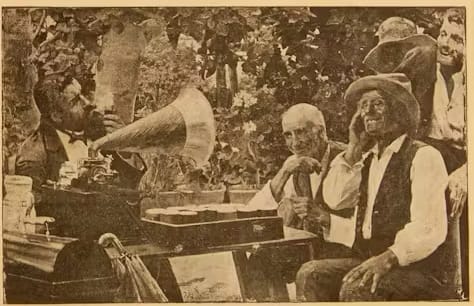
People listening to a touring phonograph, from the 1900 inaugural issue of Boletín fonográfico. Source: Inventing the recording.
3. Glasses
I have pretty mild shortsightedness (with a mild astigmatism) but even then, I’m really glad that I have glasses; wearing them prevents headaches/ fatigue, makes it easier for me to see people’s faces (or street signs), and makes a huge difference if I’m trying to see a whiteboard (or watch a show or movie). And a number of my friends and family are near-blind without glasses, in ways that make me feel a lot of sympathy for people in the past; eye problems aren’t new. (In some ways, the modern world requires us to engage more with things like written signage, but I think many people in history had duller or more painful lives because they lacked glasses.)
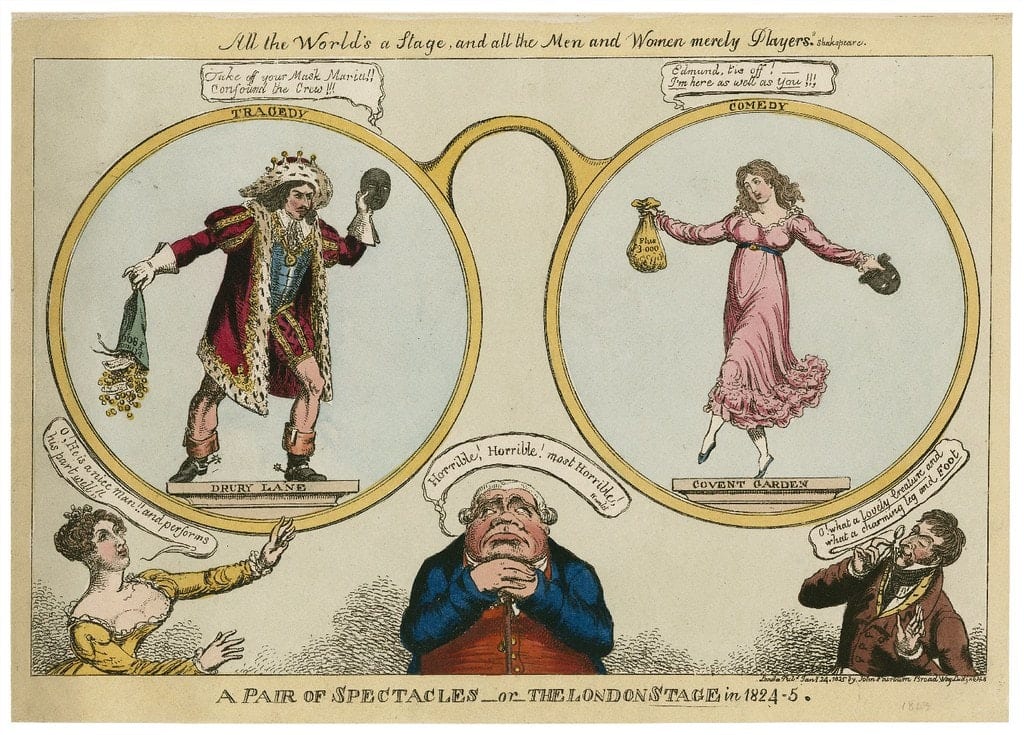
Source: Highlights from Folger Shakespeare Library’s Release of almost 80,000 Images
4. Not having to marry someone against my will
By the standards of most of history, I’d be something like an old maid. I’m so grateful that I’ve never felt pressure of any kind to marry someone I didn’t want to.
5. Waterproof shoes / umbrellas/ coats
I live in Oxford, and have shoes in which I can walk through ankle-high puddles without wetting my feet. But whenever I get my feet wet and have to stay out in the cold — if I forget to bring an umbrella or coat and it rains heavily — I get quite miserable! Rain isn’t a modern development; a lot of people had to deal with these problems a lot. Moreover, most people’s houses were leakier and significantly less insulated than mine.
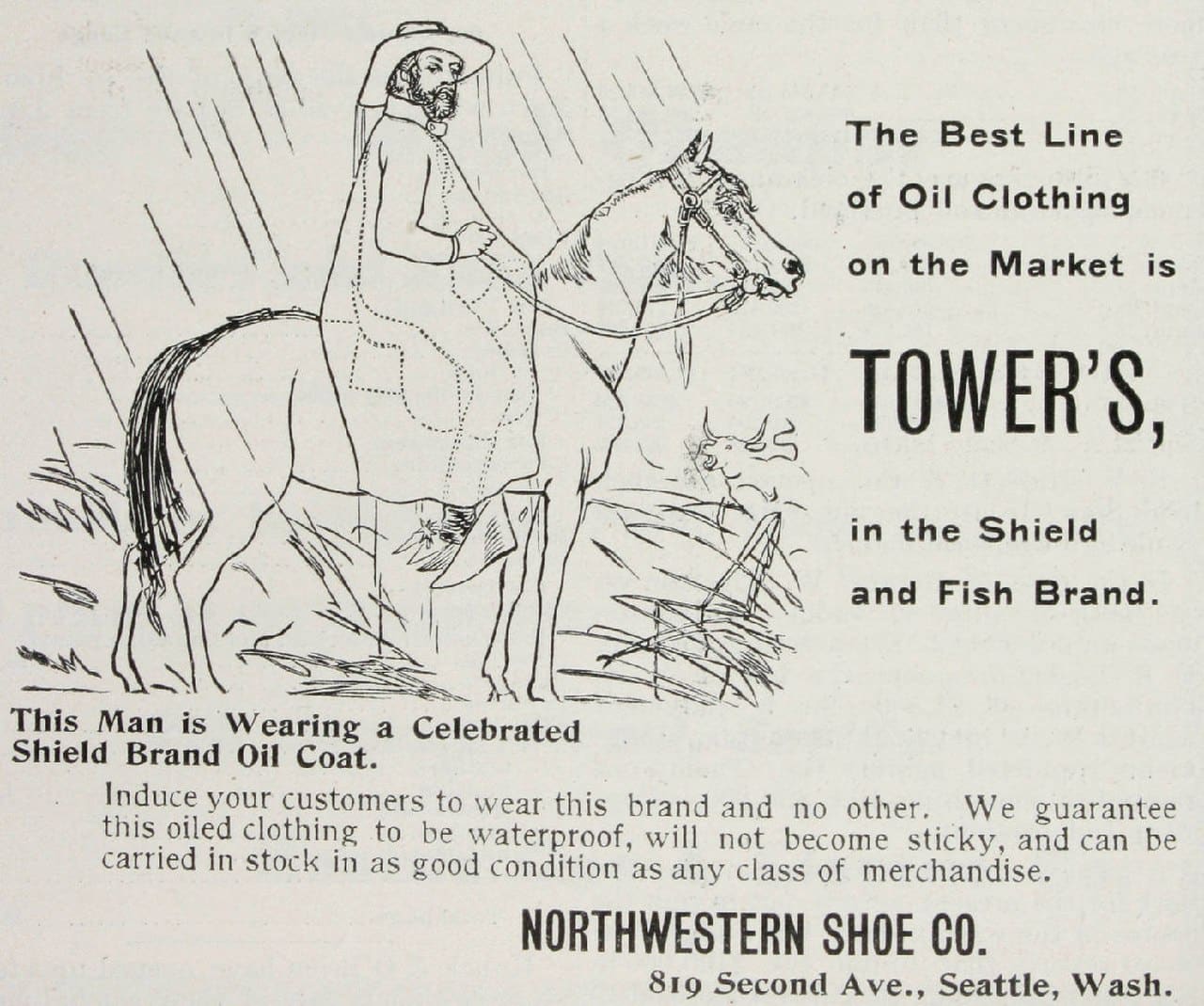
Source: Wikimedia
6. Photos and videos of loved ones, ability to (video) call them
We have very few pictures of my brother when he was very young (before my parents moved to the US), and very few childhood photos of my parents or older relatives. There are significantly more pictures of me, and I took tons of photos of my little sister — and love looking at them. And I can call my family and friends when we’re not in the same place! I don’t need to wait weeks to send and receive letters, hoping that they will arrive, or rely on sketches or miniatures.
7. Sewage systems, garbage disposal, menstrual products, diapers, etc.
I don’t need to use an outhouse, and walk along streets that are basically free of sewage and trash. I’m not chronically ill; I can be pretty confident that the water I drink isn’t contaminated by excrement. My life is basically normal when I’m on my period. When I’ve changed babies, I could just throw away the diaper.
I don’t want to pretend that life in earlier periods was all bad! (People had solutions to some of these problems that meant they could handle them, in some cases, better than I can today when they arose. And people had wonderful and meaningful moments — here’s a really touching collection of photos of friendship I saw as I was finding the pictures above.) But I’m so grateful for some things that have changed at least in some places.
What do I want to see in the future?
The world could be so much better. There are daily tragedies or horrors that need to stop, risks we face that I want to reduce, and privileges enjoyed by some that I want to see extended to everyone else. But even the ~daily standards of today’s privileged groups could go up by a lot. For instance, I think our treatment and practices around mental health / psychological pain are still far from what they could be — I often feel like we’re in the 18th century equivalent of medicine on this front. Chronic pain management and aging science (e.g handling dementia) is also significantly farther behind what it could be. Pain management (and healthcare more generally) has improved massively over the last decades/centuries, but people still have horrible migraines, long diseases, etc. I think we still have less quality time to spend with people we love and on things we find meaningful than we could. Technology could augment (or reduce the need for) our willpower in some areas, etc.







Benjamin Lay — "Quaker Comet", early (radical) abolitionist, general "moral weirdo" — died on this day 267 years ago.
I shared a post about him a little while back, and still think of February 8 as "Benjamin Lay Day".
...
Around the same time I also made two paintings inspired by his life/work, which I figured I'd share now. One is an icon-style-inspired image based on a portrait of him[1]:
The second is based on a print depicting the floor plan of an infamous slave ship (Brooks). The print was used by abolitionists (mainly(?) the Society for Effecting the Abolition of the Slave Trade) to help communicate the horror of the trade.
I found it useful to paint it (and appreciate having it around today). But I imagine that not everyone might want to see it, so I'll skip a few lines here in case you expanded this quick take and decide you want to scroll past/collapse it instead.
.
.
.
The original (see post) was commissioned by Deborah Read as a gift for her husband Benjamin Franklin, who also Benjamin Lay’s friend.
Wow, I've never seen that print before. That is absolutely horrifying. I feel kind of sick looking at it. What a stark reminder of the costs of getting morality wrong. Thank you for painting it, for sharing it, and for the reminder of this day.
Thank you for reminding about this remarkable person. I'll add him to my personal inspirational list of Humanity's Best People