Comments

I notice the 'guiding principles' in the introductory essay on effectivealtruism.org have been changed. It used to list: prioritisation, impartial altruism, open truthseeking, and a collaborative spirit. It now lists: scope sensitivity, impartiality, scout mindset, and recognition of trade-offs.
As far as I'm aware, this change wasn't signalled. I understand lots of work has been recently done to improve the messaging on effectivealtruism.org -- which is great! -- but it feels a bit weird for 'guiding principles' to have been changed without any discussion or notice.
As far as I understand, back in 2017 a set of principles were chosen through a somewhat deliberative process, and then organisations were invited to endorse them. This feels like a more appropriate process for such a change.
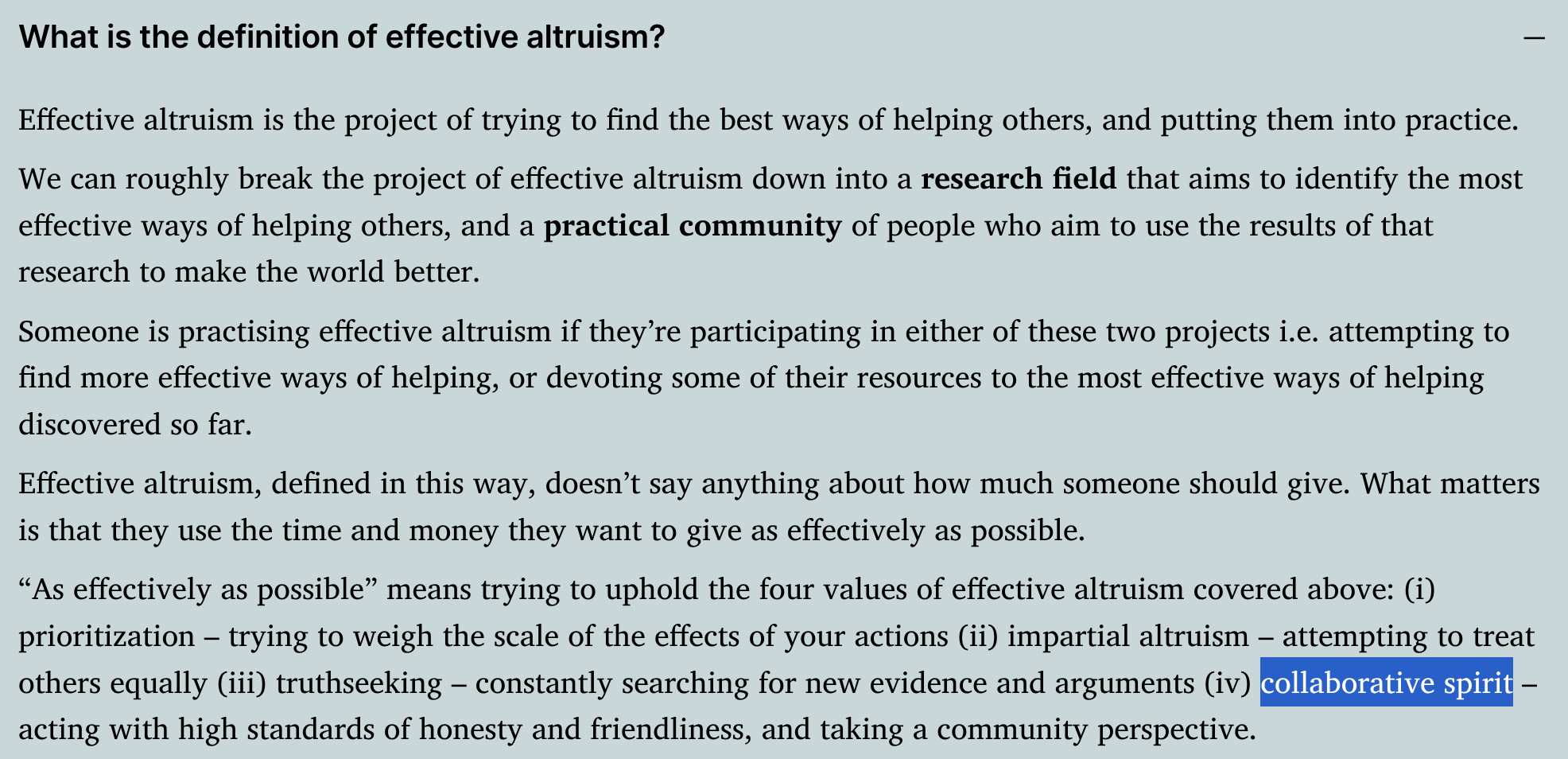
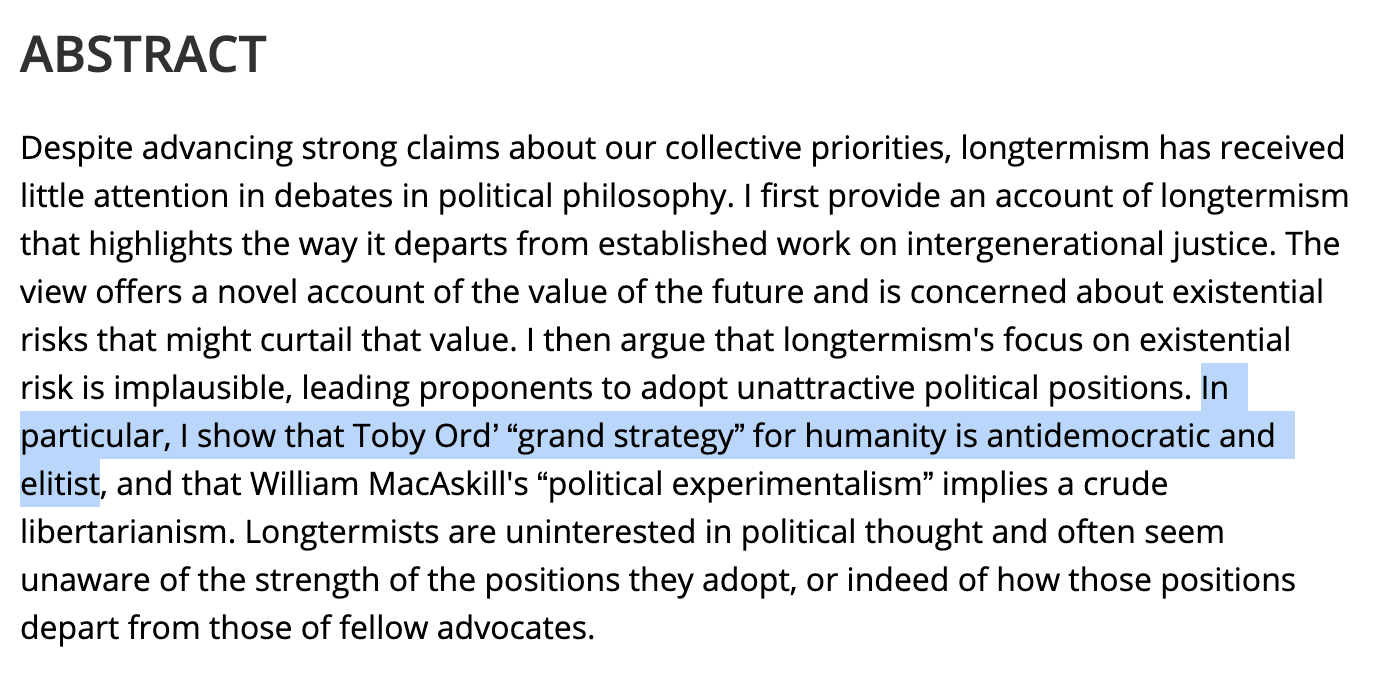
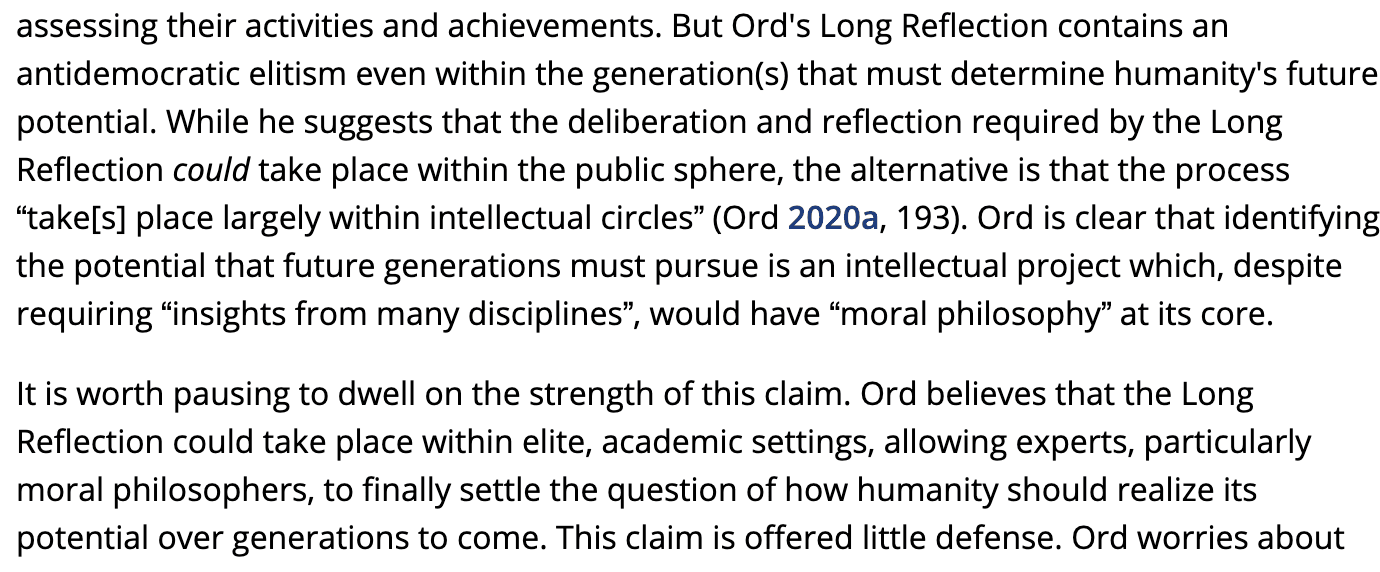
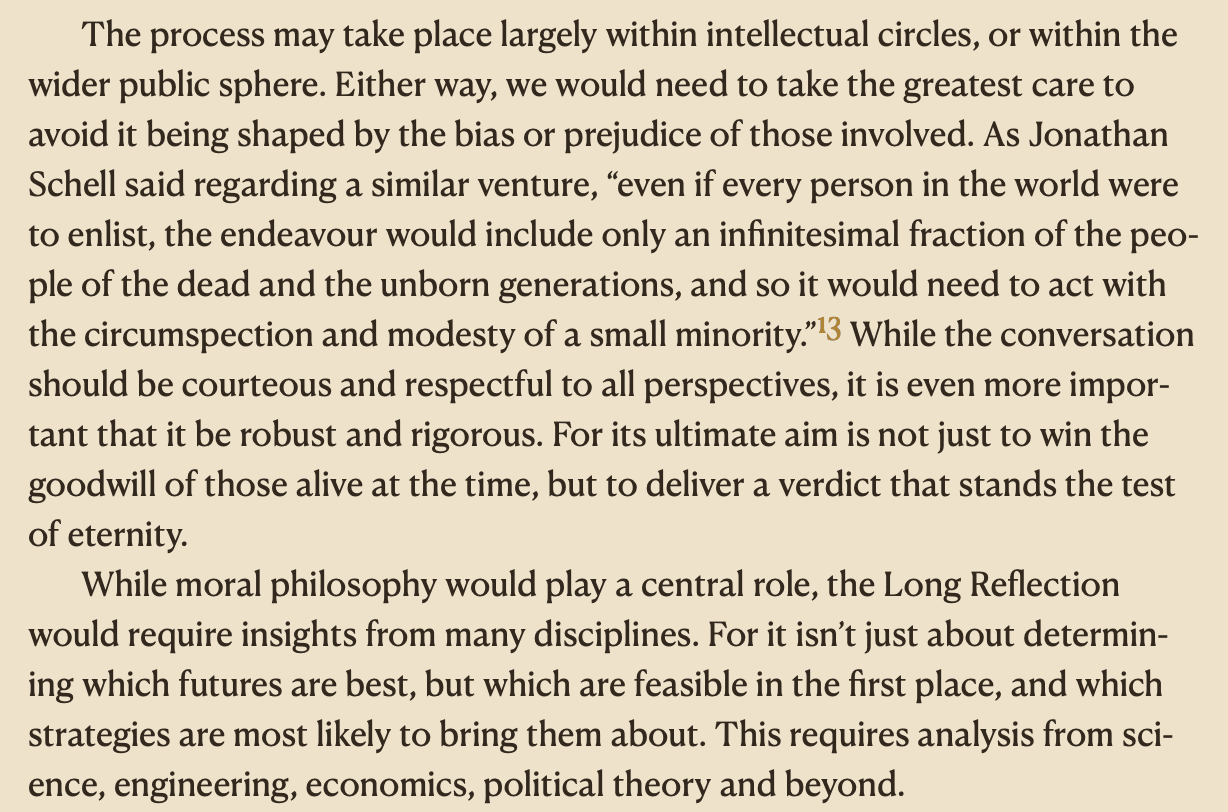
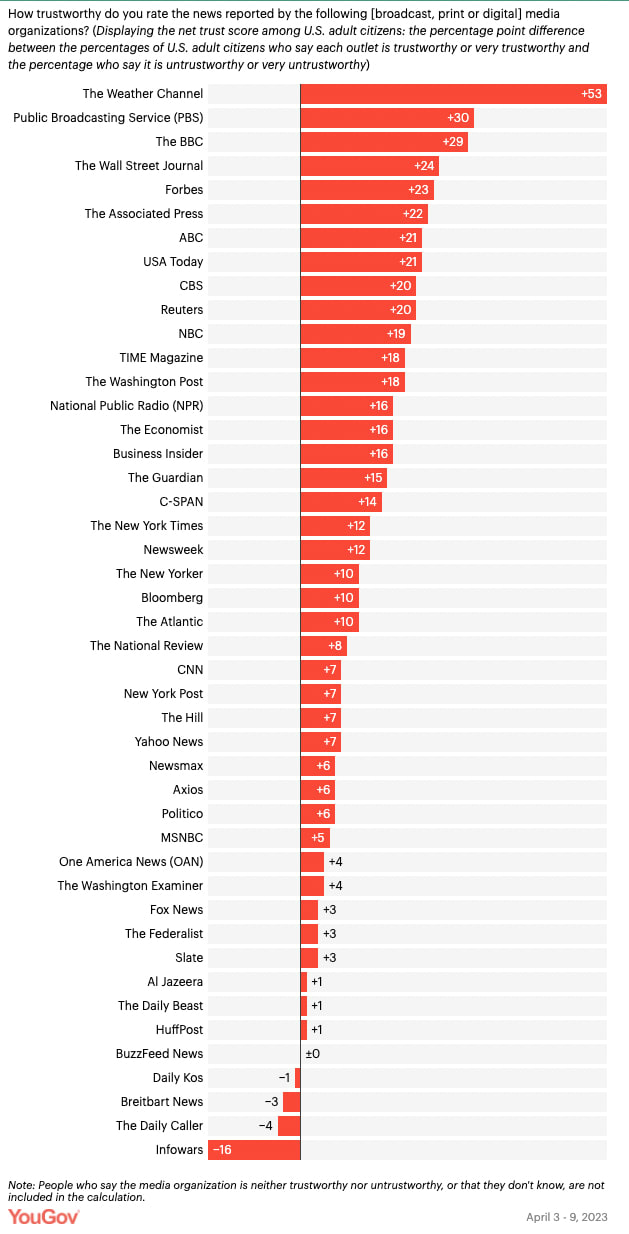



Post Coxon-resignation, polls on the American general public suggest (1) more Americans than ever are prioritising AI harms and (2) there's an emerging partisan gap in concern about AI, though a gap is not new among 'very concerned' Americans.
On (1), compared to the same survey two weeks BC (Before Coxon), there was a significant jump in the number of Americans saying “AI harms” should be a top priority for government: AI harms as a top priority increased from 36% to 43% (+7 points). Overall, 80% of Americans now say “AI harms” should be a priority for the government.
On (2), for the first time since June, there’s a significant partisan gap in concern about AI, with 80% of Democrats saying they’re concerned and 63% of Republicans. The gap is driven largely by Democrats becoming more concerned, while Republicans' concern remains high (63%) and relatively unchanged.
This gap isn't too substantial IMO. Compare to the gap on something like immigration (78% of Republicans support a border wall vs. 21% of Democrats) or abortion (20% of Republicans say it's morally acceptable, vs. 78% of Democrats).
I guess 'significant partisan gap' is too vague a phrasing. However, I think it's fair to say there is much more of a gap than there was.